Brazilian Carnaval @ Cozmic Pizza in Eugene

This was the best so far. Since I’ve moved to Eugene in 2005 I’ve attended annual Carnaval events at Cozmic Pizza if I was in town. It is a great opportunity for people to enjoy the bands dedicated to Brazilian music in Eugene.  Difficult to believe it, but there are five different groups of musicians dedicated almost exclusively to Brazilian music here in Eugene.  For such a small town, this makes Eugene a privileged town for Brazilians.

Macaco Velho playing at Cozmic Pizza. Eugene, March 3rd 2012

This year the event took place last Saturday, March 3rd. Edson Oliveira started at 7:30PM.  Edson’s group has been expanding the repertoire and including more musicians along the years.  Originally Edson focused on Tom Jobim’s classics only. Now his band has plays Bossanova and also includes other music, from the Brazilian Popular Music (MPB) to some old style Sambas and to Chorinhos.  Edson’t band sounded great.  I really enjoyed the old sambas and the Chorinhos! All in all, his band played in the spirit of Carnaval.

Then came my favorite band in Eugene, the Macaco Velho. Heliane and John have put together a great selection of “Marchinhas de Carnaval.” Normally you can’t stay on your seat when they perform the Forrós and other Brazilian folk music and sambas. They practically force you onto the dance floor.  And when you add the Marchinhas de Carnaval to the mix, then I will say it was total success: they revived that Carnaval spirit that could only happen on those Brazilian small towns where Carnaval existed on a small scale and where everyone was a part of it.  It was great to be there last Saturday and experience this feeling.

Finally it was Samba Já’s turn.  Samba Já is already an Eugene fixture.  The beat of the Surdo drums carries the spirit of Carnaval. They are also very integrated with the public, they make you part of the show. And that’s one of the things that make Samba Já so special.

Being a small town most everyone in attendance on these events know each other. And the musicians, they almost play interchangeably across all these bands. Some actually have played on all three at some point in time, and last Saturday a few of them played on at least two of them. It is like a big family united around Brazilian music.

One of the organizers for this year’s Carnaval was my friend Kelly Tavares. Congratulations! Your team’s work, together with improvements made by Cozmic pizza (by opening floor space for dancing and also their promoted changes to food and drink services), and the three bands showing so much progress, all of you made for a great evening.  I was never a fan of Carnaval when I lived in Brazil. But being here in Eugene I consider it a pleasure and a privilege to have the opportunity to enjoy Carnaval at such a high level of quality and professionalism.  To everyone involved in the making of this event, thank you.

Cesar

Posted in Random Thoughts | 2 Comments

American Samoa (Places to Stay)

American Samoa State Park. May 2008

I can’t believe it, but I have not ridden a motorcycle in 2012 yet.  Weather and work have conspired to keep me away from the bikes.  I’m getting anxious… but I know very nice riding days will soon be here.  Meanwhile, let’s talk about other things.  Digging on my photo archives I found a few treasures that I would like to share with you. One of them is American Samoa. I’ve been to American Samoa five times, always on work related matters.

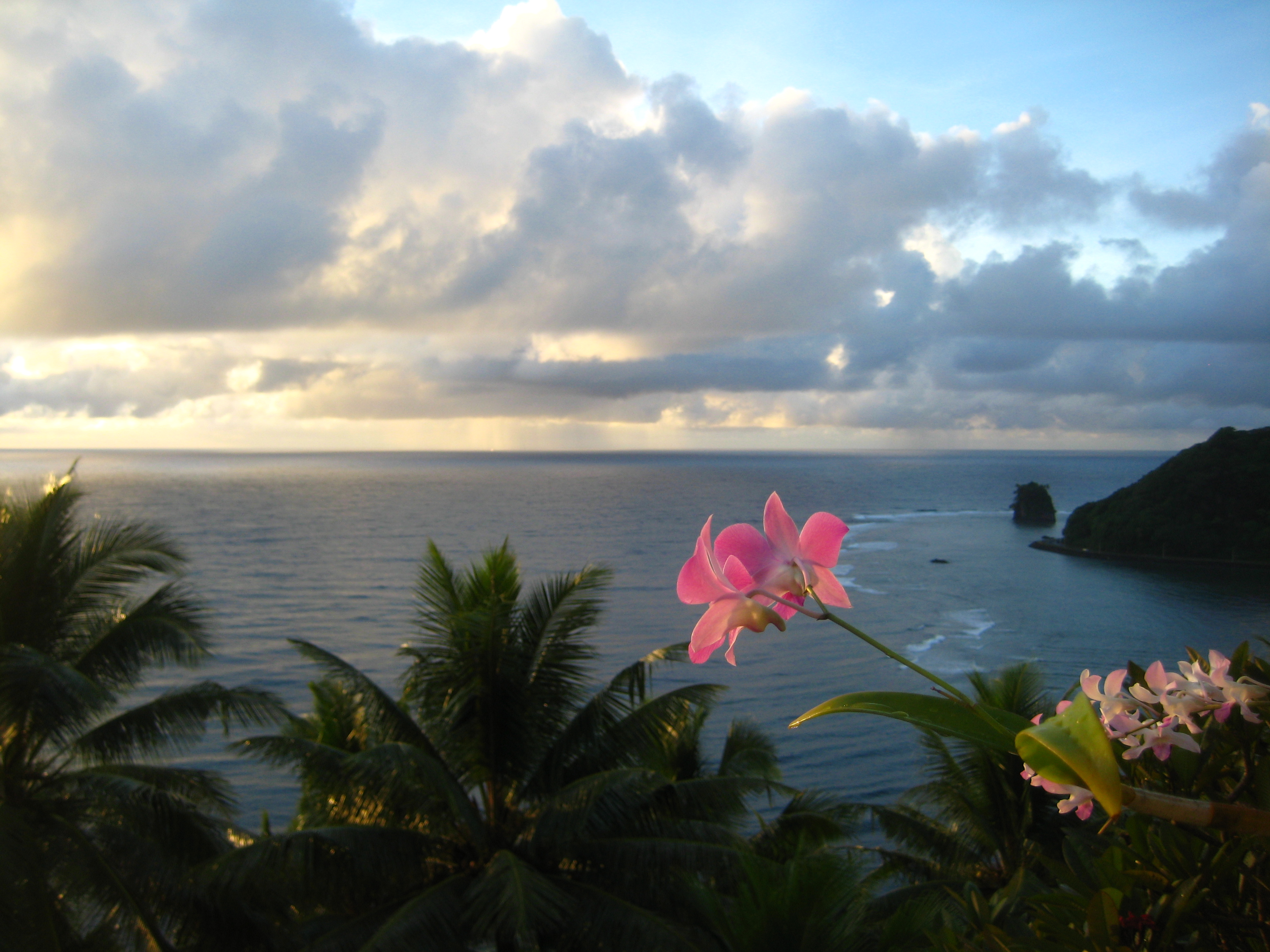
View from Le Falepule, Village of Faga-alu. American Samoa, January 2010

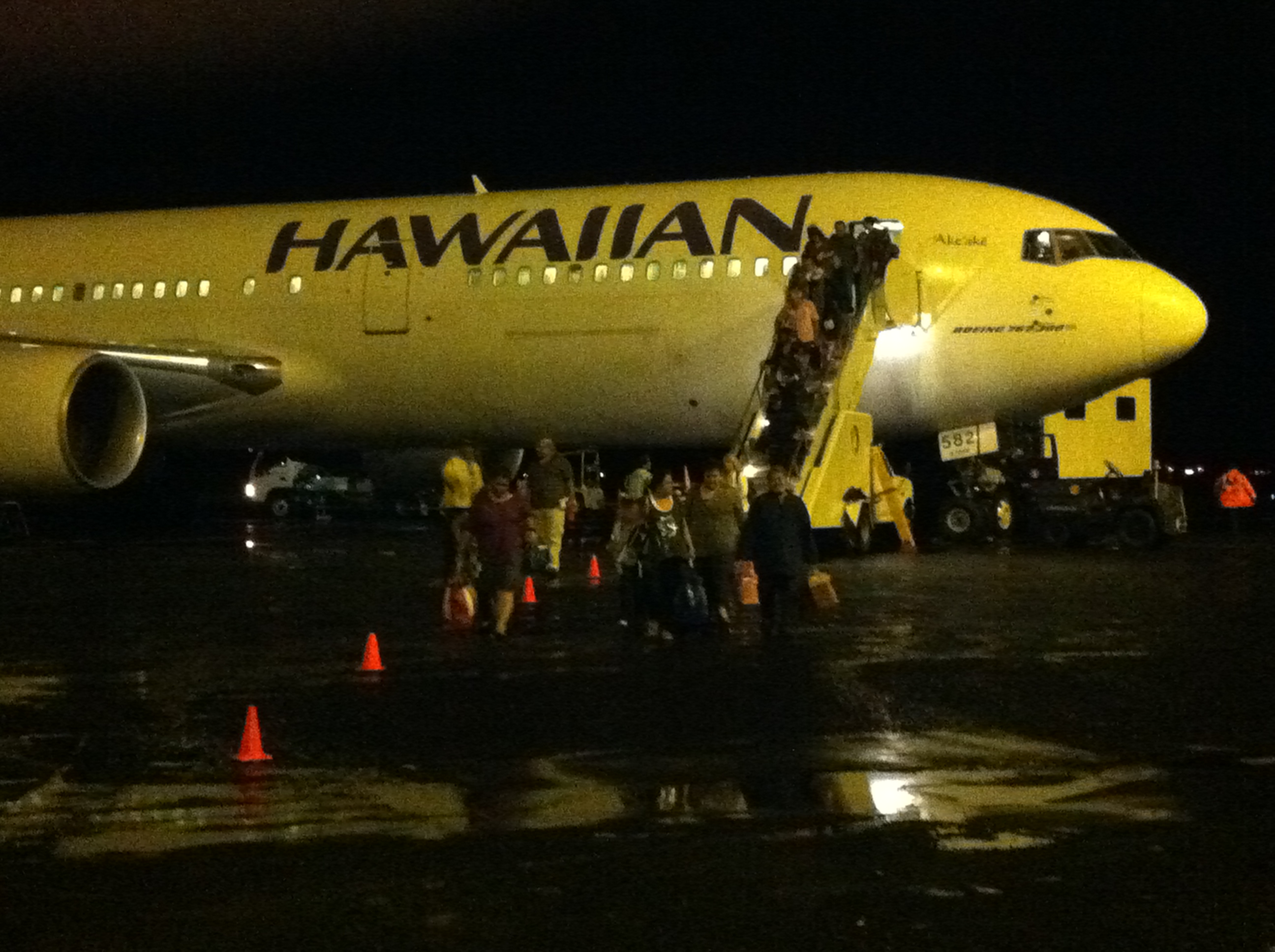
Few tourists go to Samoa from the United States, as it is too far and out of the way from North America.  Only two flights a week connect American Samoa to the United States, via Honolulu, making it a more isolated and more interesting place to visit.  Hawaiian Airlines 767’s leave Honolulu on Sundays and Thursdays at 5 pm Hawaiian time, arriving in Samoa 5 1/2 hours later.

Pago Pago airport. American Samoa, January 2011

I’m not a Bed and Breakfast type of guy.  Give me a run of the mill hotel from any chain of hotels and I’m happy.  But in Samoa very few of those hotels are available so I’m happy to stay at one of two Bed and Breakfast hotels owned by the same family.  One of them is Le Falepule. Nested on the hills, this is a great place to enjoy the views of the Pacific Ocean.

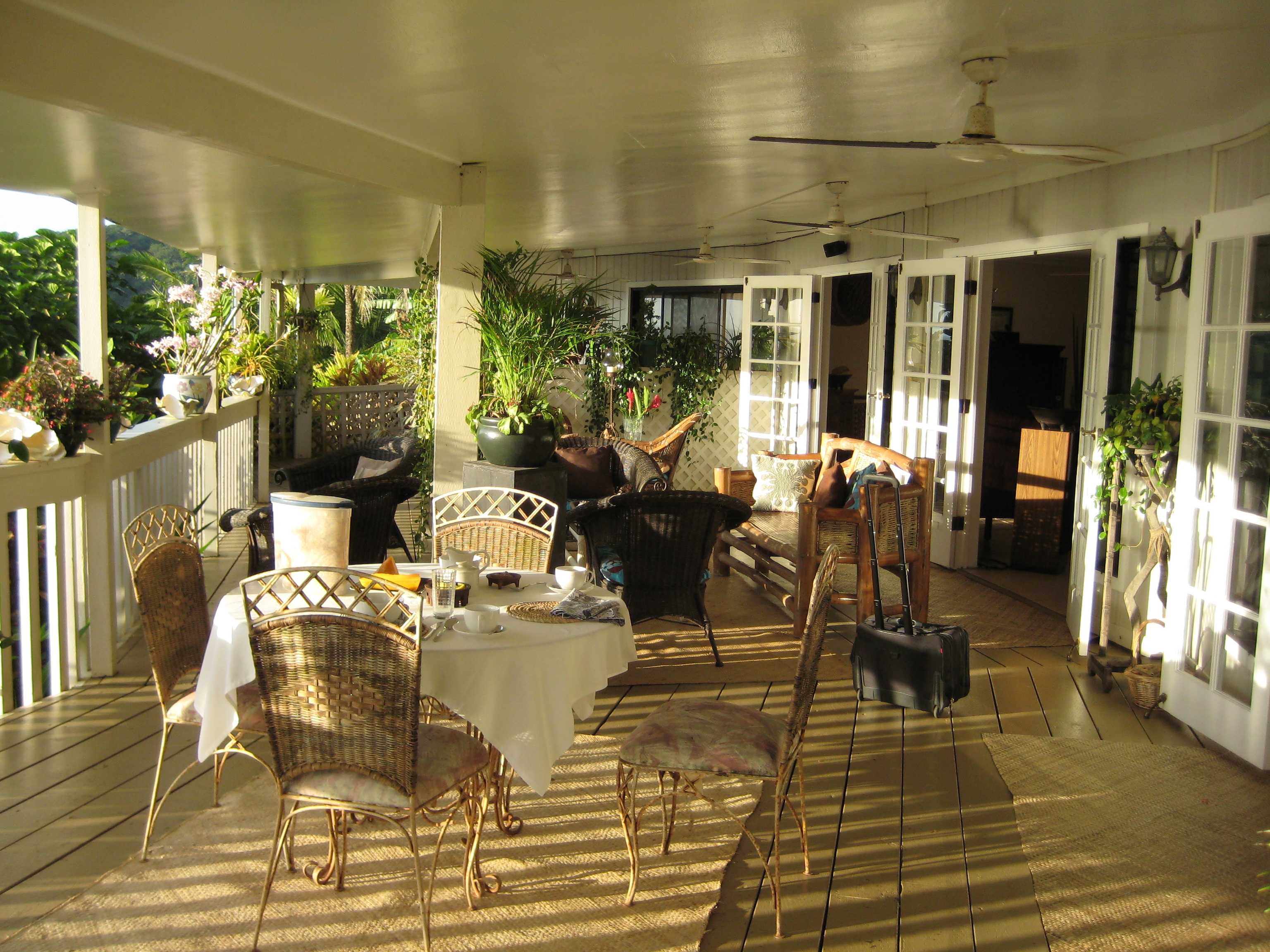
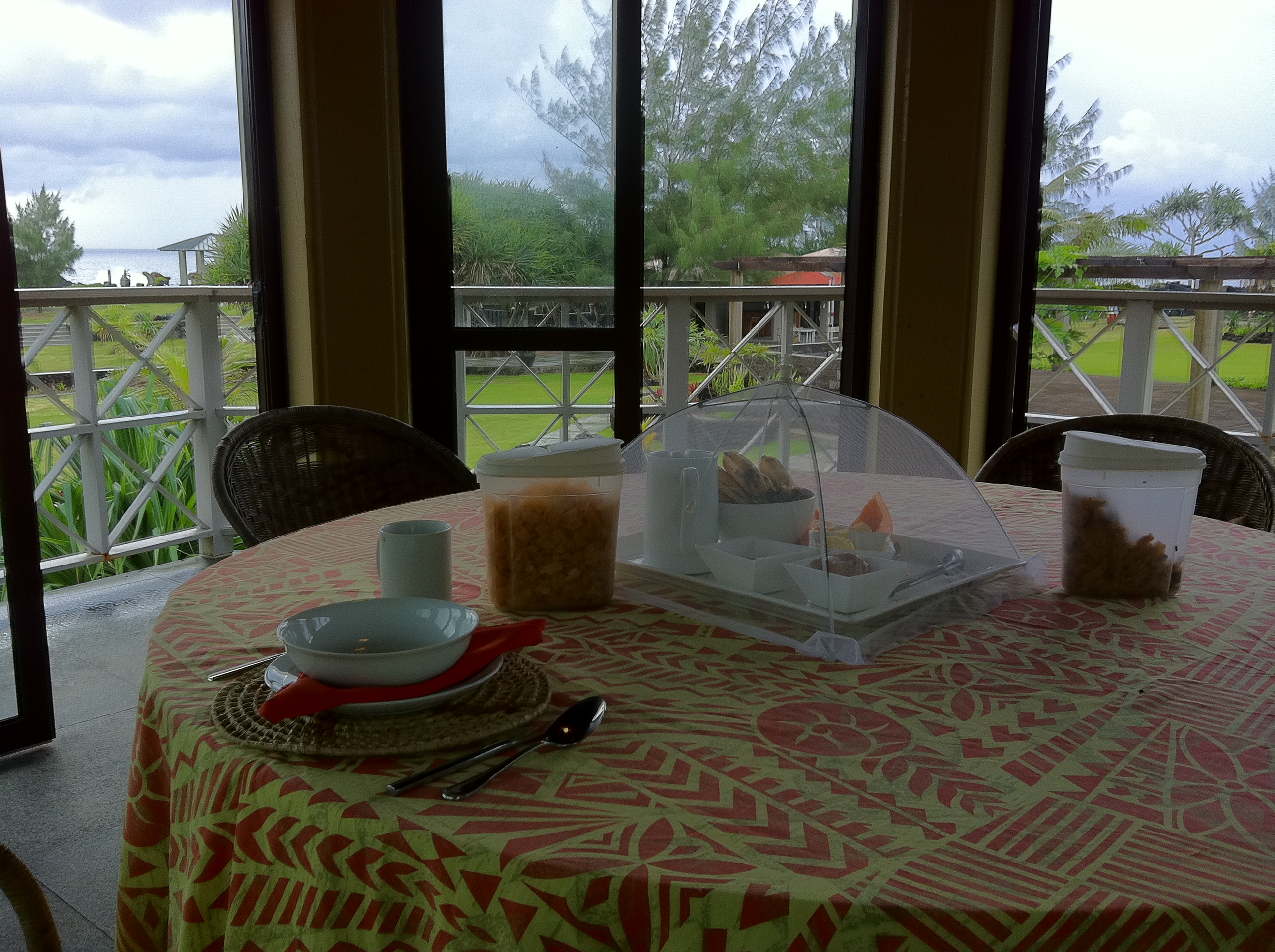
Breakfast at Le Falepule. American Samoa, January 2008.

What a nice and tranquil way to start your day.

Breakfast at Le Falepule. American Samoa, January 2008.

This breakfast and the view are good reasons to get out of bed.

Breakfast at Le Falepule. American Samoa, January 2008

Services are provided by Repeka.

Repeka, at Le Falepule. American Samoa, January 2008.

If you wake up early enough in the summer (South hemisphere summer) you can enjoy nice sunrise views from Le Falepule.

Sunrise at La Falepule. American Samoa, January 2010

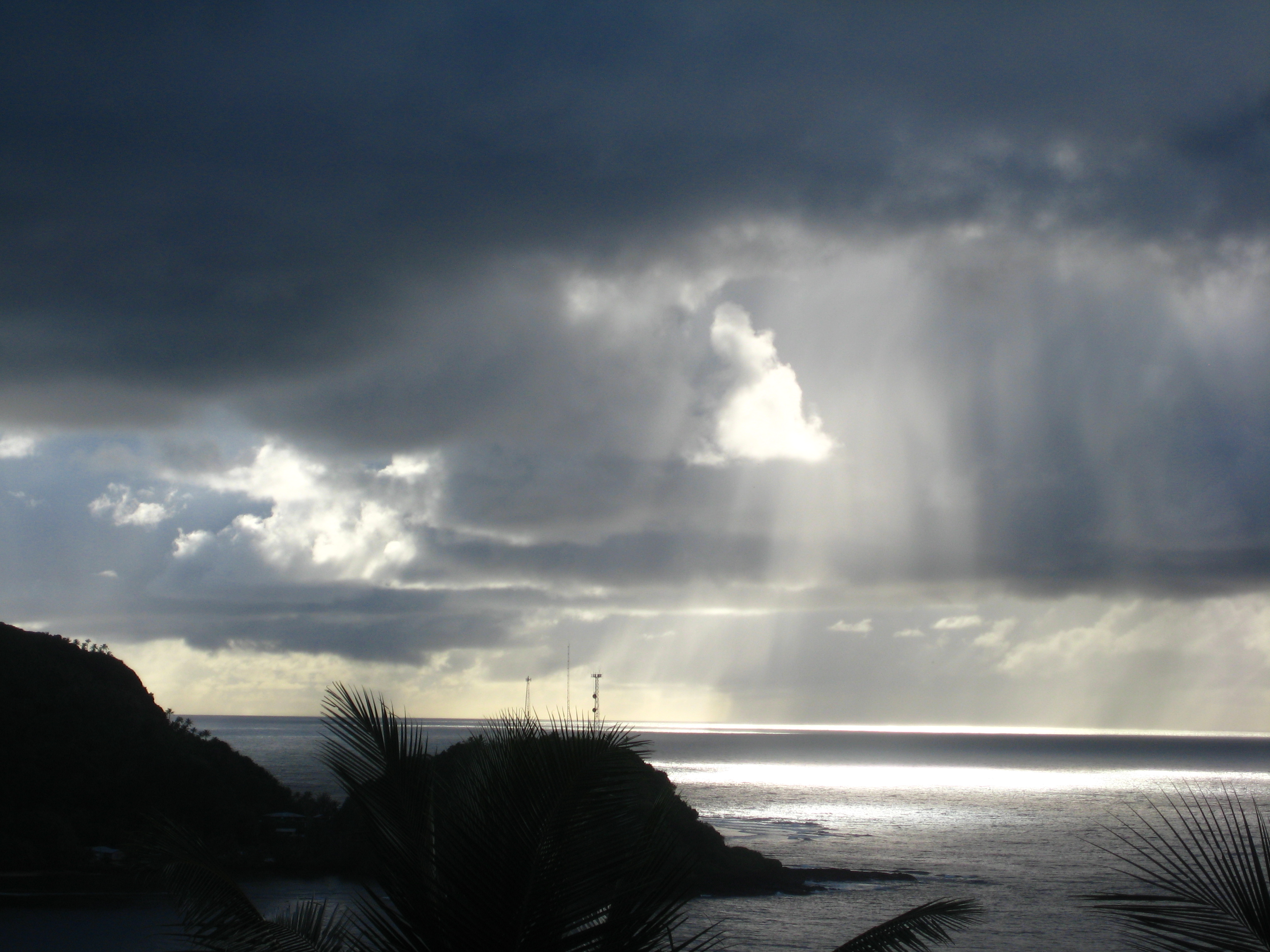
Or you can enjoy the views of a distant squall.  I can spend hours enjoying the views of the Pacific.  It seems like the weather in the South Pacific is always active, making the same view look different at every moment.

A squall not too far away. Le Falepule, American Samoa, January 2010

And from there I can see the main road going to Pago Pago, and how the traffic picks up.  Time to go to work!

View of the main road going to Pago Pago. American Samoa, January 2010.

The other hotel I stay when in Samoa is called Moana O Sina.  This Bed and Breakfast, owned by the same family as Le Falapule, is at sea level built on an area of lava fields.

Moana-O-Sina. American Samoa, January 2011

Service is very similar to what you get at Le Falepule.

Breakfast at Moana O Sina. American Samoa, January 2011.

But it offers more amenities.

The grounds at Moana O Sina. American Samoa, January 2011

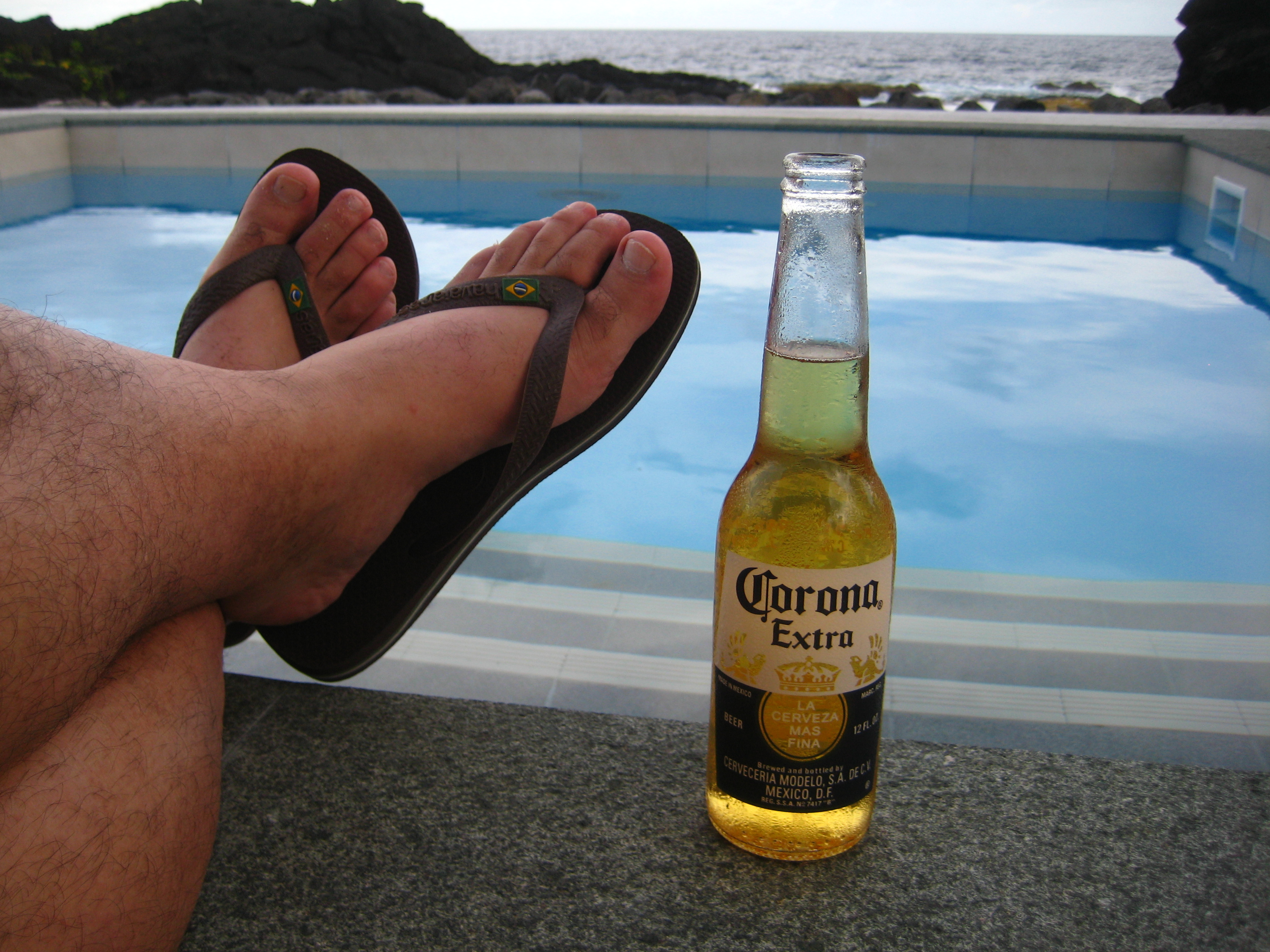
Like this swimming pool with a view of the Pacific.

Swimming Pool at the Moana O Sina. American Samoa, January 2011

Which is a great place to relax after work.

Time to relax at Moana O Sina. American Samoa, January 2011.

And enjoy the ever changing skies on the Pacific.

The beautiful skies above the South Pacific. American Samoa, January 2011

You can walk on the lava fields and enjoy the views towards the west.

Other ocean views from Moana O Sina. American Samoa, January 2011

Moana O Sina has its own beach.

The beach at Moana O Sina. American Samoa, January 2011

But you won’t have access to the water.

The beach at Moana O Sina. American Samoa, January 2011

On the next post I will show more pictures of American Samoa.  The title is likely to be : American Samoa (what makes it so beautiful). Stay tuned!

Posted in Travel | Tagged , , , , , | 8 Comments

Thinking About my Father (and the cars he owned)

My father has always been very healthy. And proactive about his health and adheres to a healthy lifestyle. Then suddenly he hit a small bump on the road these last few weeks. Something that is small and he will overcome, but which has made him and I talk more frequently.
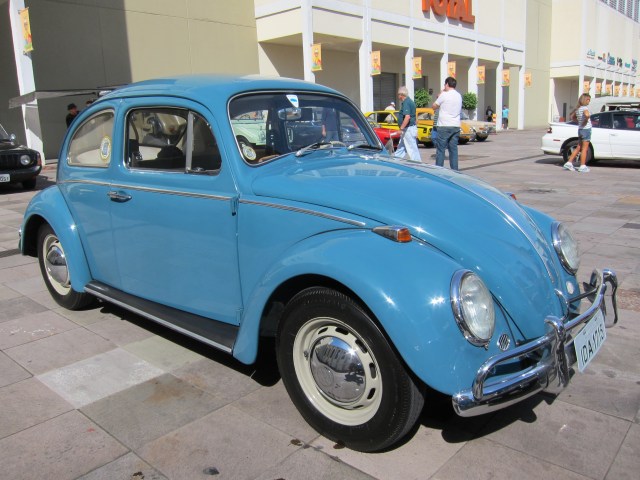
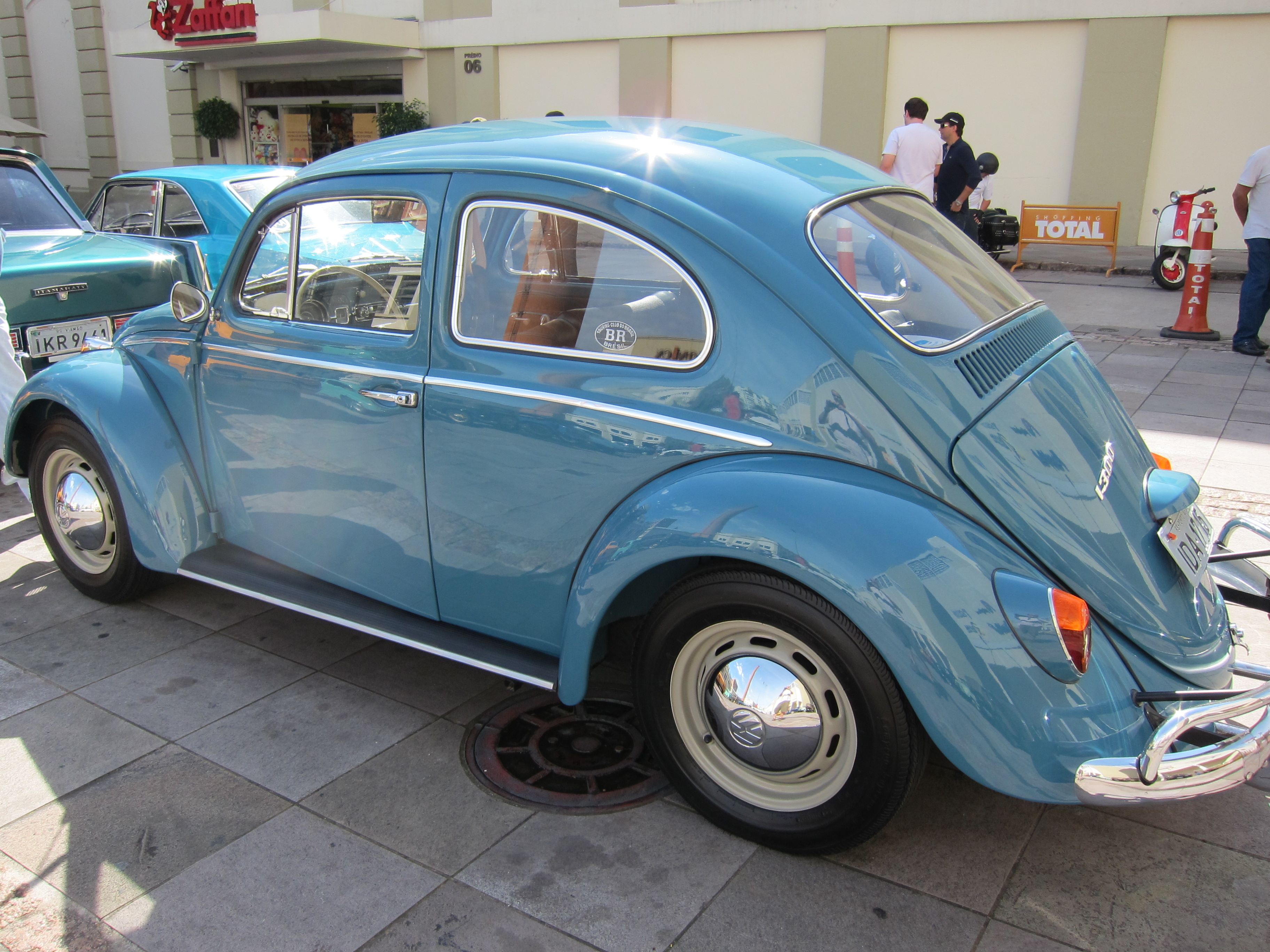
The 1967 1300 VW was my Father’s first new car (this photo is of a 1968 model)

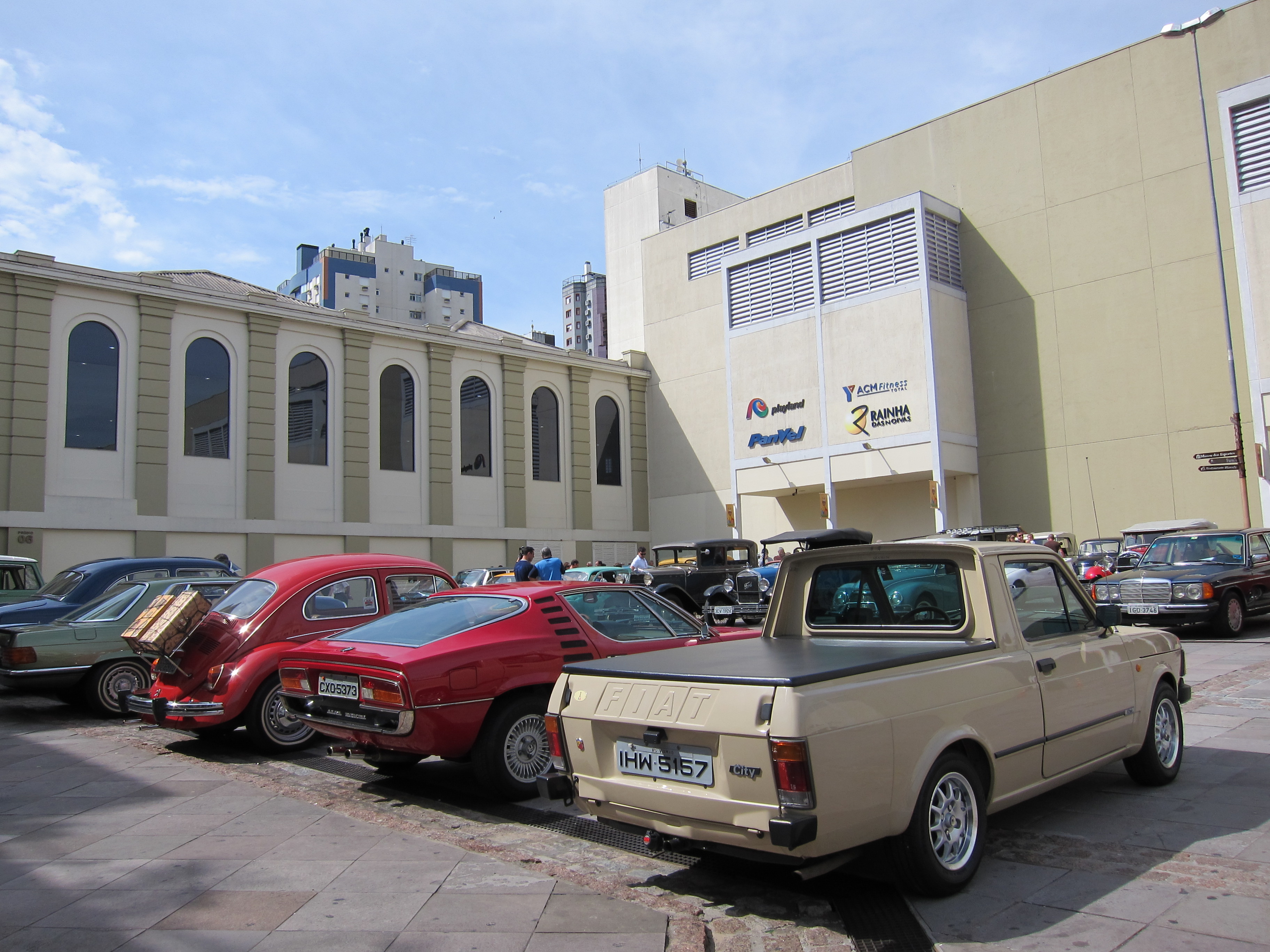
On my last trip to Porto Alegre in April of 2011 I went with my sister and my brother-in-law to a local mall’s parking lot where every Sunday (when the weather is good) people who collect old cars get together to show and talk about cars.
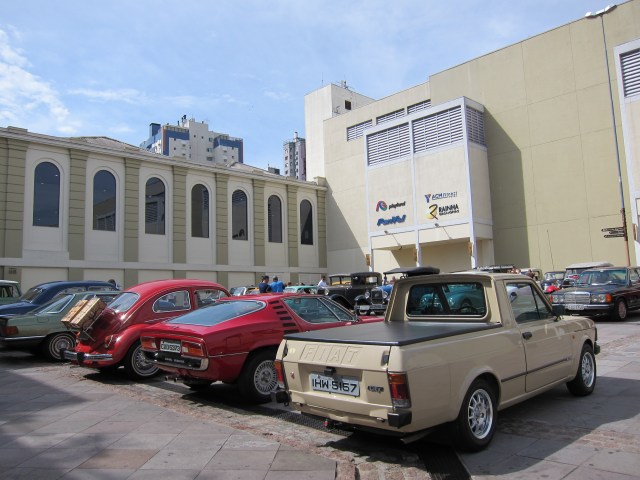
Shopping Total, a get together for car collectors in Porto Alegre. April 2011

I saw there the cars from my childhood. Since that time I have been thinking about writing a post about the cars from the time I was growing up. Since I’ve been talking to my father on an almost daily basis these days, this is a good time to write this story that I’ve been drafting in my mind for a while.

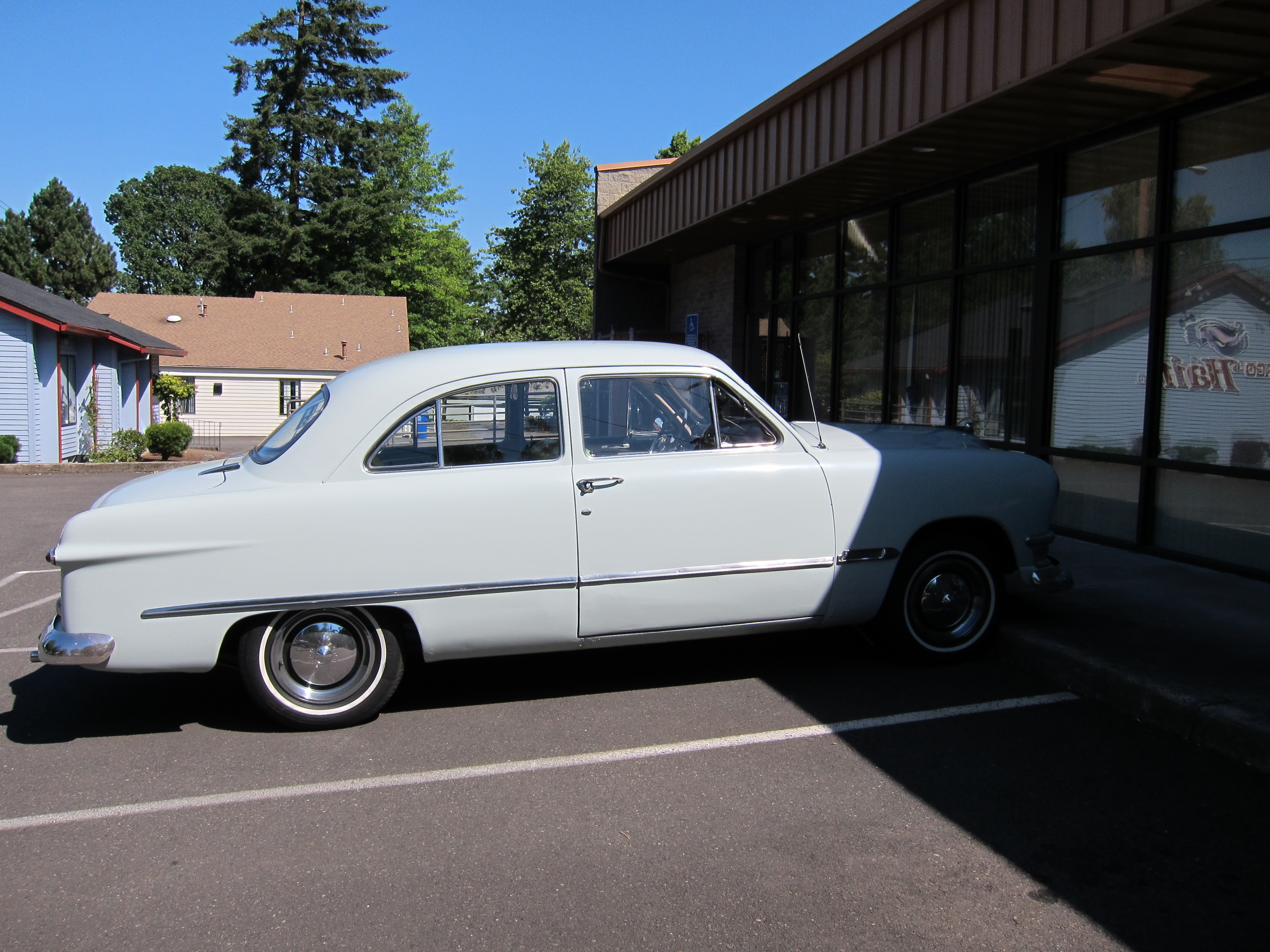
My first recollection of a car associated with my father was a 1951 Ford Custom. That car belonged to my grandfather and my father borrowed it on a semi-permanent basis. It was light grey, almost white. I found the car of the photo below on one of my motorcycle trips last year, when I was traversing the south neighborhoods of Salem, here in Oregon.  It was the same color as my father’s car, except my father’s car was a four-door.
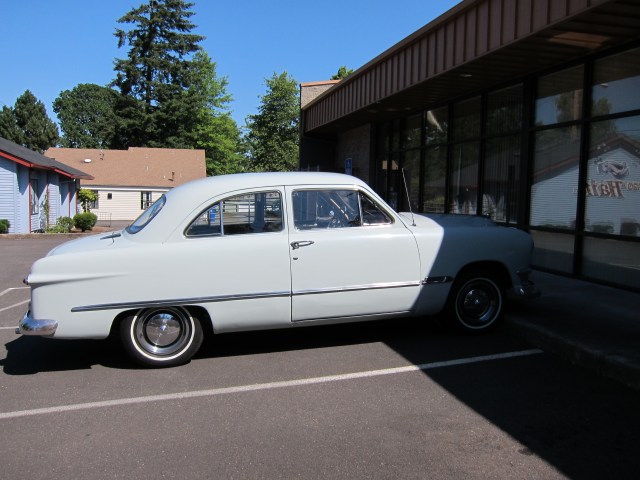
Ford Custom – Same color as my father’s. Photo from August 2011

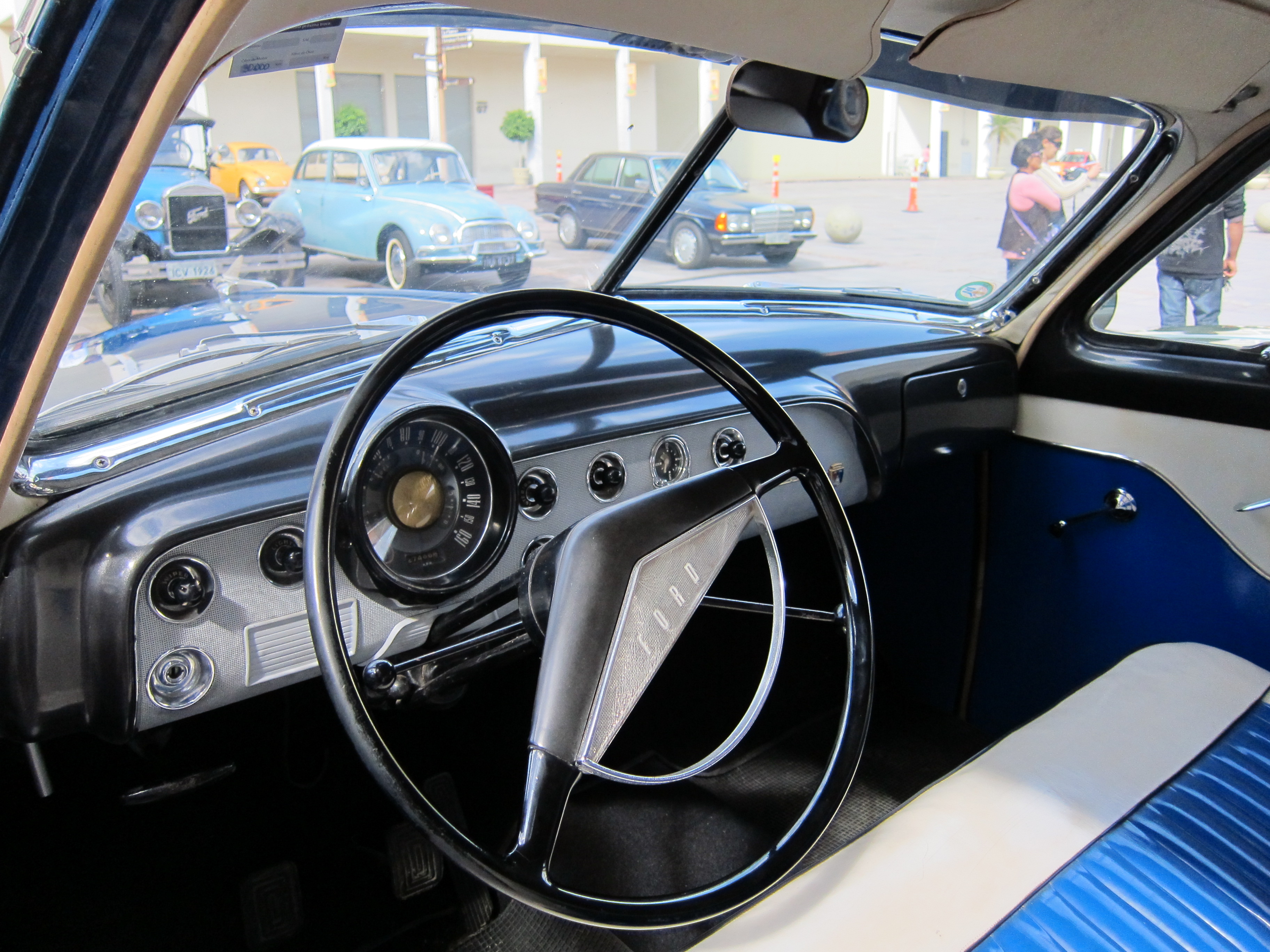
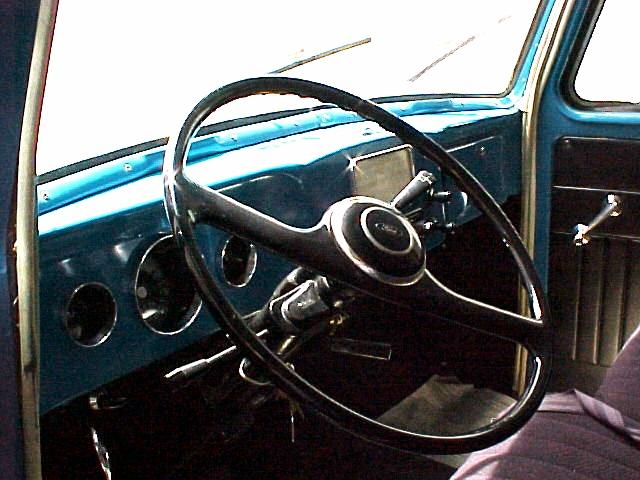
I actually don’t remember much about this car when my father had it. But I do remember the car several years later, after the time my father eventually returned it to my grand father who then gave it to my uncle, my father’s brother in law. One thing I remember about that car are those screws holding the chrome frame around the windshield. Go figure why we remember such irrelevant details.
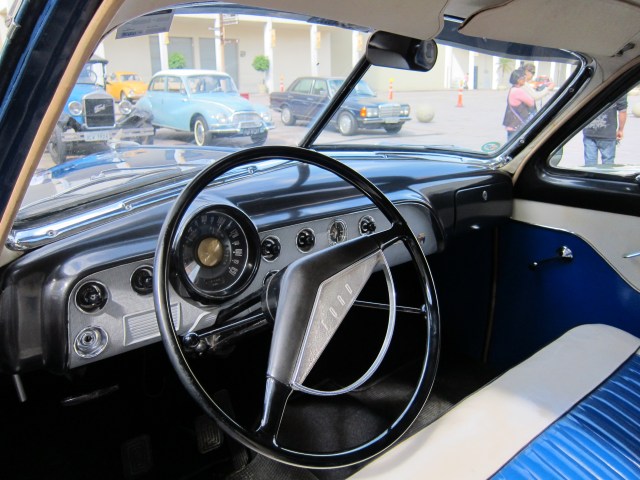
The dashboard of the Ford Custom. Shopping Total, Porto Alegre, April 2011

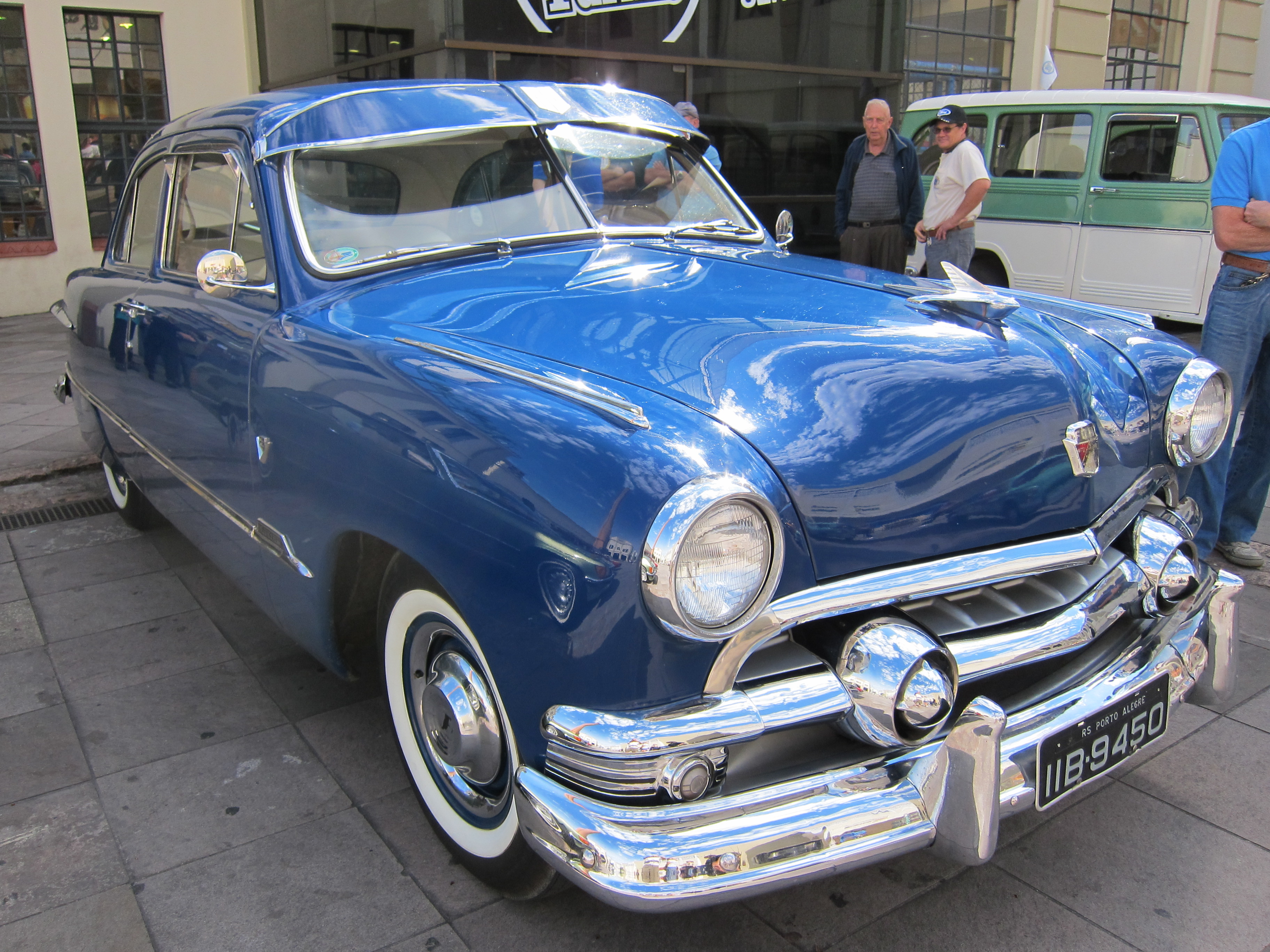
Thinking about it, I was surprised to realize the car was so much older than me and the time I finally got to register it in my memory. But then, I look in my garage and my Audi is 17 years old.  My truck is 16 years old.  One other thing I remember about this car was the distinctive front end. The era of the rockets and space exploration influenced the design of cars. This car did not have a fish tail as we got to see in the late 50’s cars, but it had those turbine looking features in the front grill.
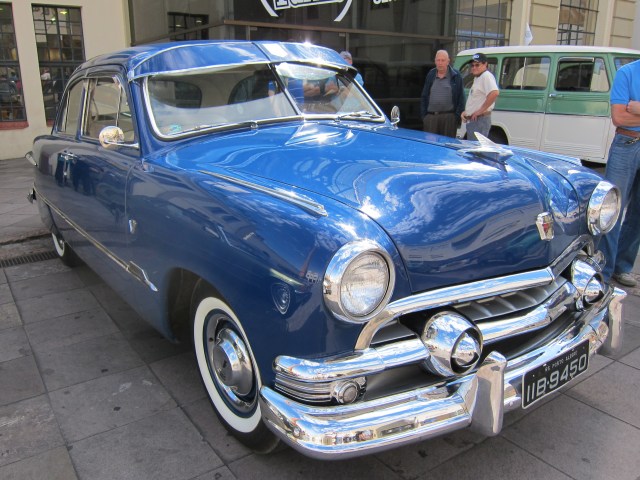
Ford Custom – Turbine like designs on the front grill. Shopping Total, Porto Alegre, April 2011.

My father’s first car was a 1957 DKW Station Wagon (called Universal, if I remember correctly) that he bought used.  This car was interesting and historical in several counts. It was one of the first cars made in Brazil.
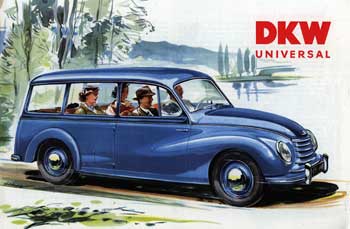
In 1956 a Brazilian maker of agricultural implements (Vemag) bought the rights to make this car in Brazil, production starting in the end of 1956.  I assume my father’s car was one of these first cars made in Brazil.

I’m not sure if the car depicted on the photo on the left was the exact same model, but if not, it was very similar.  And it was of this same color: dark blue.  I remember my father took it at some point to a body shop and had all the rust and dings fixed and got it repainted. I remember going to the body shop a few times, I remember the car with primer paint in the areas they worked on the body panels before it was painted.  I remember the smell of paint at the shop. I remember the car was originally a darker blue and the repainted version was a mid tone blue.

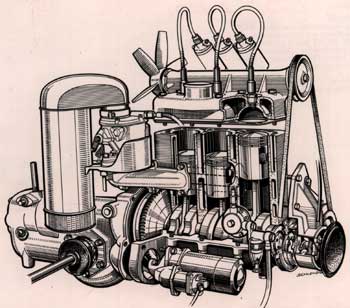
Other interesting bit about this car was its three-cylinder, two-stroke motor that was an evolution of a two-cylinder, two-stroke, motorcycle motor. This three-cylinder motor was also used by Saab at some point.  I remember the sounds it made, the blue smoke (well, it was a two-stroke motor after all).  It sounded like a motorcycle.

Here are the specs (I doubt it would make it to 80 mph, though):

Manufacturer:  Veículos Máquinas Agricolas S/A (Vemag)
Country of Origin:  Brazil
Drivetrain Configuration:  Front engine, front wheel drive
Engine: 3 cylinder, 980cc, 50hp
Transmission:  4 speed manual
Top Speed:  80 miles per hour
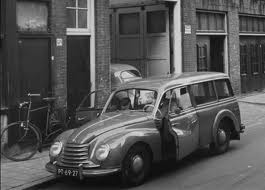
DKW and the Suicide Doors.

Another interesting aspect about this car was that it was a front wheel drive car. So it had the dreadful front axle problems that still plague front wheel drive cars today: the constant velocity joint. I’ve had a few of those replaced in my “modern” cars.  But it was worse then. Something else interesting about this car is that DKW is one of the four companies that eventually merged to become the Audi of today.  Finally, it had the suicide doors, how cool is that, although I ca imagine it would be unsafe. I have somewhere a picture of me in front of my father’s DKW when I was about six years old. It was my first day of school. When I find that photo I will post it here.

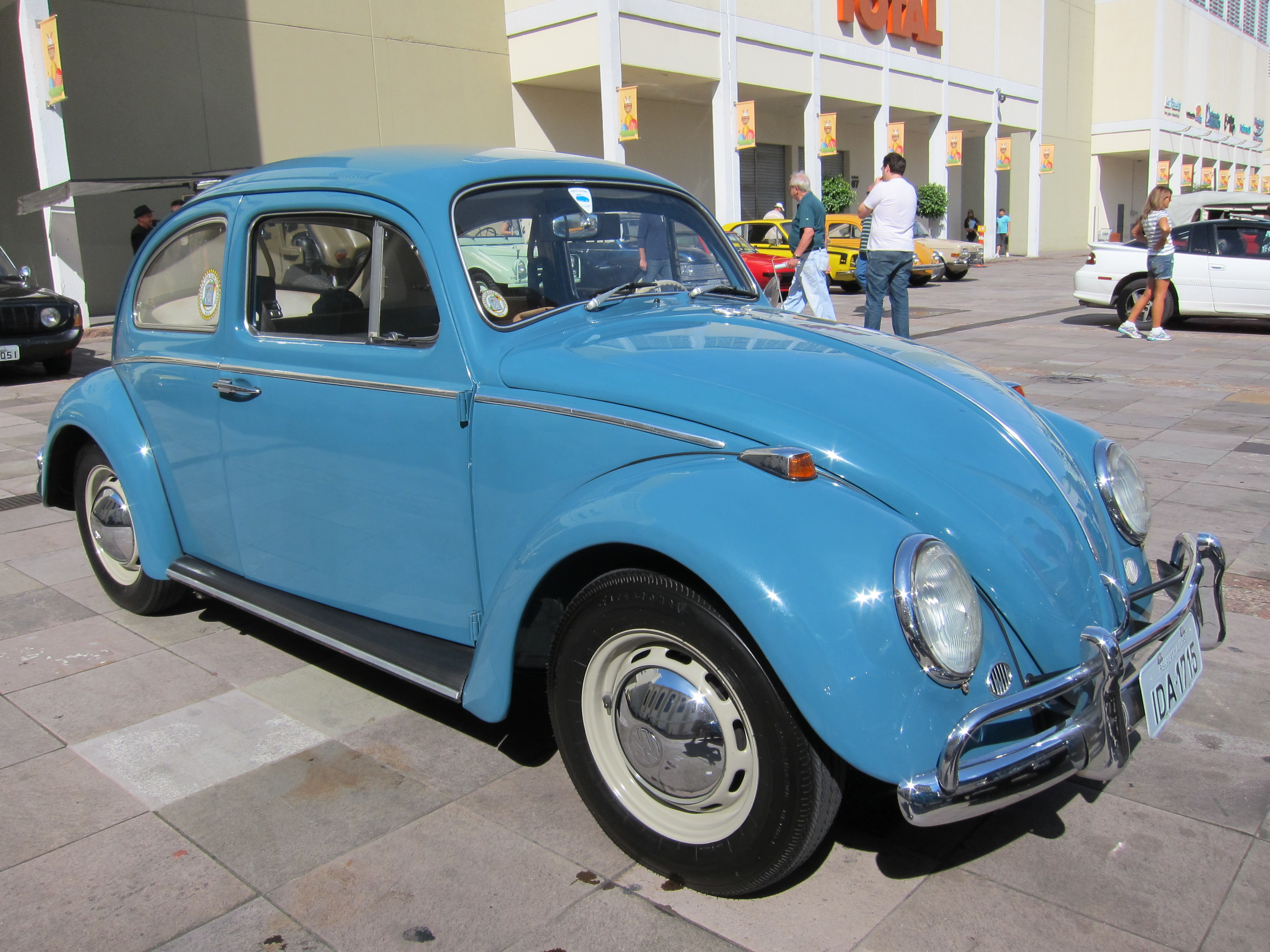
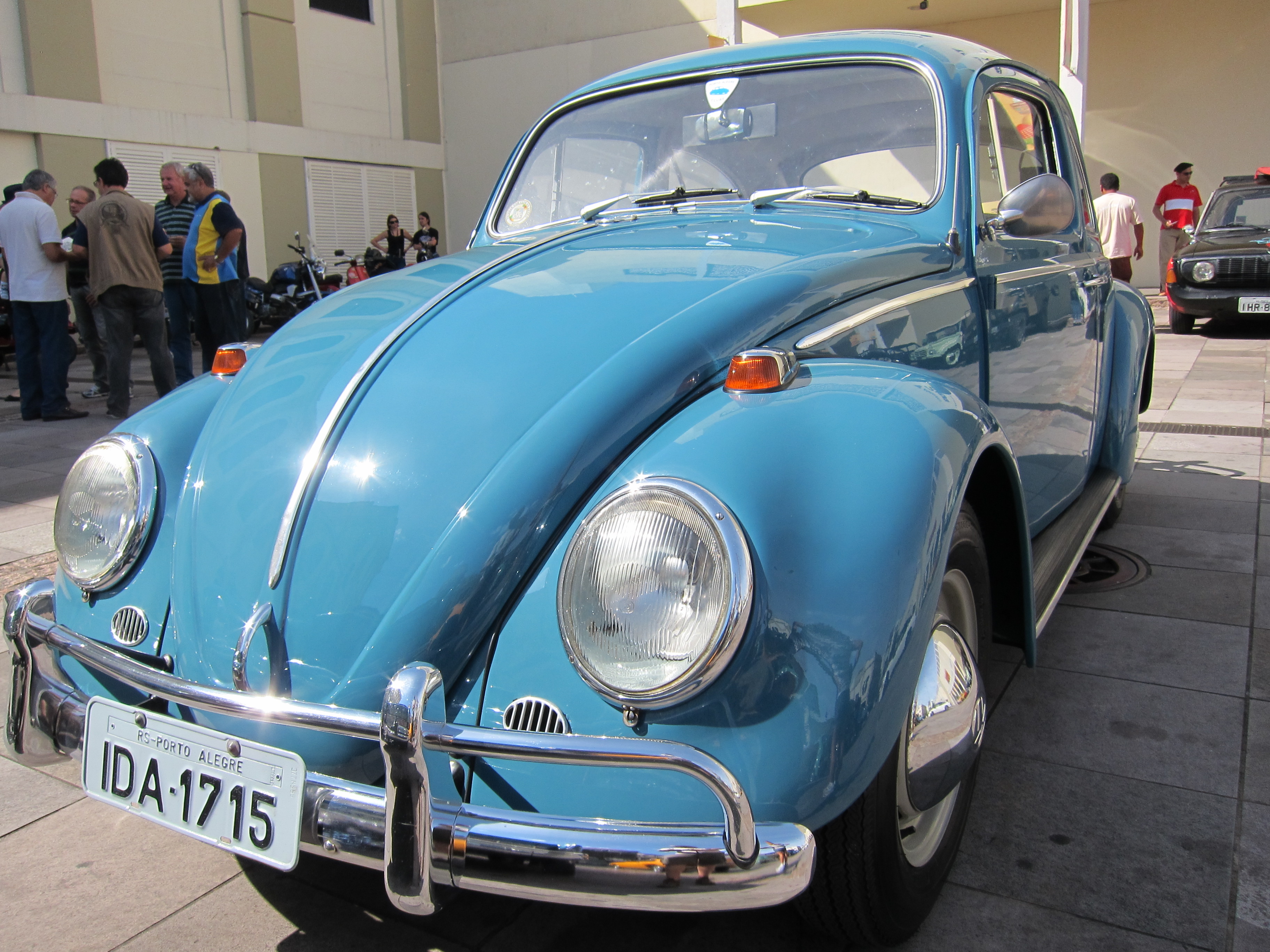
But what I really remember well is my father’s first new car.  It was a Beetle, a 1967 VW 1300. Blue, exactly the same color as the 1968 car depicted on the pictures below.

1968 VW 1300. Shopping Total, April 2011

I remember we were anxiously waiting for this car. When we heard it from one of the local VW dealers (which was called Carro do Povo, or People’s Car, which means Volkswagen) that the car had arrived, we piled up in the DKW and went to the dealer to see the car.  It was after hours, already dark when we got there, and we parked in front of the dealer’s gate and shined the DKW lights towards the yard where all the new cars were parked. There they were, a series of brand new Beetles, neatly parked side by side, waiting to be placed in the show room floor or to go their anxious new owners. There were a few blue ones like we wanted, a few red ones, white and other colors.  In Brazil, this slate blue was called Azul Real (royal blue). One more of those things that won’t go away from my memory.

1968 VW 1300. Shopping Total, Porto Alegre, April 2011.

Something I will never forget is how, in anticipation for this car my father and I would play the color game.  When we were on the road, and I was sitting right behind him on the DKW, I would point to my father the different tones of blue in the cars that I would spot on the road: “Look dad, that is a nice blue color, it would be nice if ours was that same color”.  My father sometimes grumbled something back to me.  The 1967 Beetle was the second year of this car’s 12V charging system an evolution of the 6V system, and the first year of the 1300 motor, an upgrade from the 1200 motor.

1968 VW 1300. Shopping Total, Porto Alegre, April 2011.

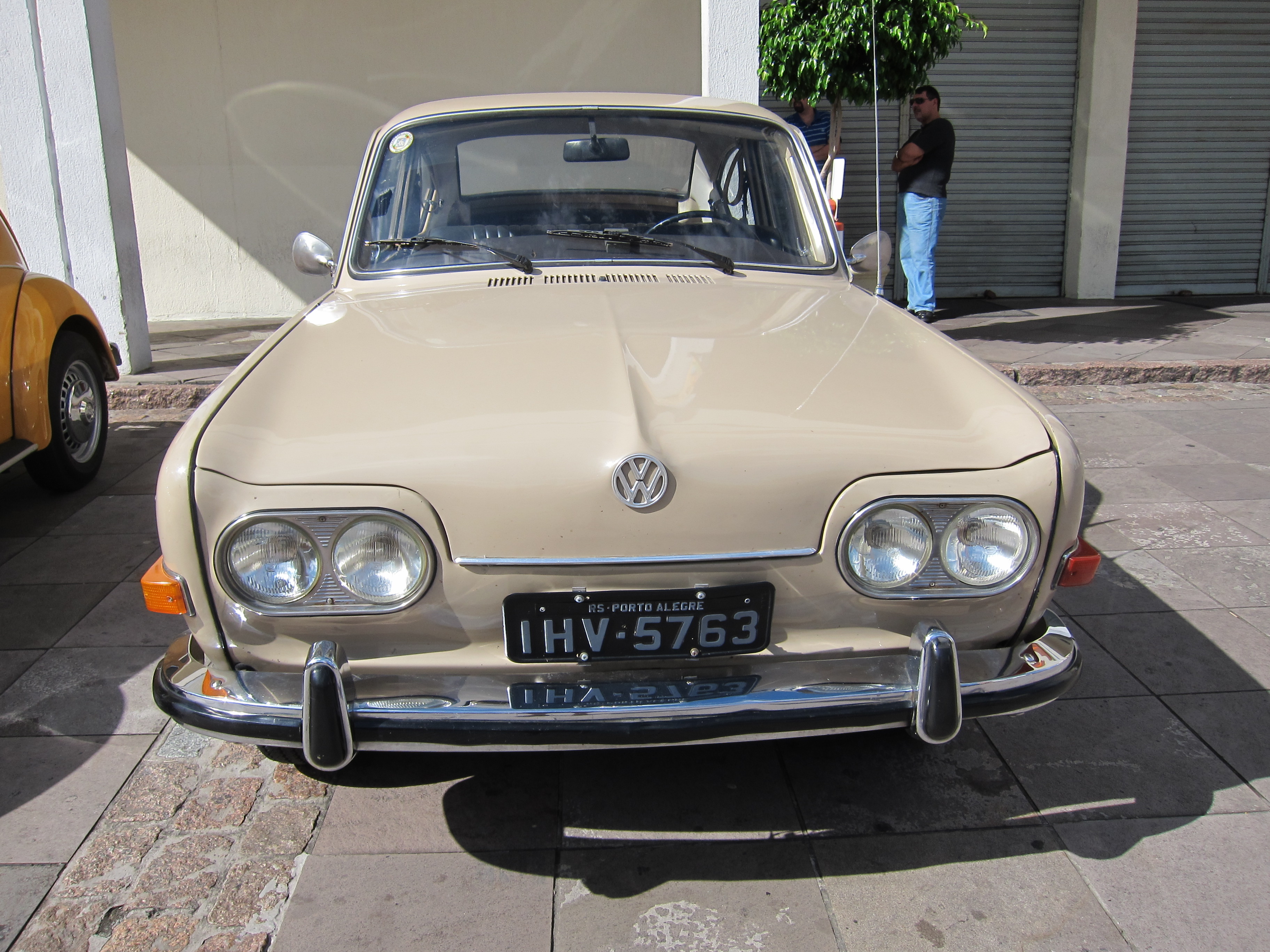
In 1971 my father passed this car on to my my mom and bought a VW Variant, a square back.  It had the “pancake” motor, a flat version of the VW air-cooled motor, with 1600 cc. This flat motor allowed the car to be a station wagon, with cargo space in front, as all VWs of that time, and also in the back of the car, on the top of the motor.
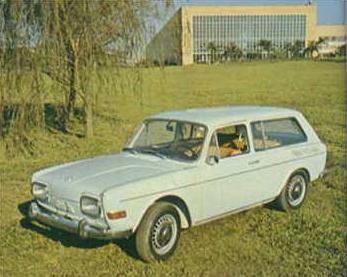
1970 VW Variant

My sister and I were in school, on a Saturday morning, when my father went to pick the car up.  We were waiting for him to pick us up, classes ended around 10 am on Saturday mornings (do people have school on Saturdays these days?) and he was late.  I was anxious to see the new car. After we waited for a while, everyone had left school, we decided to walk back home.  About a couple of blocks on our way and we saw the car. Dad picked us up and we rode home for on the new VW Variant for the first time. The color was a light blue, called Azul Diamante (Diamond Blue) similar to the one on the left.  Except that the one on the left was a 1970 model.  My father’s Variant had the front end exactly like the car below (the car below is the 1971 fast back version of the car).
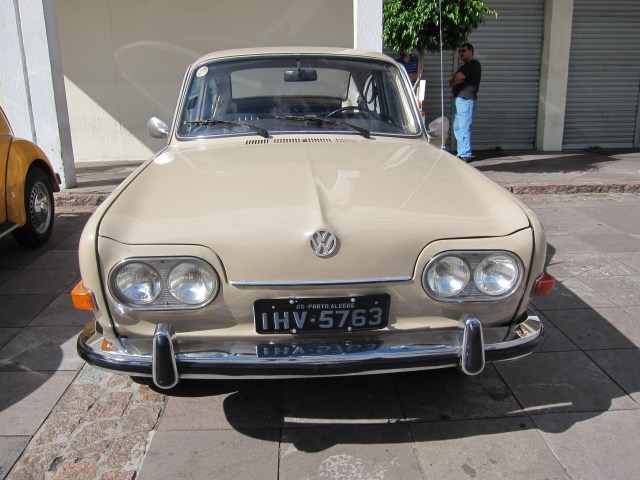
1971 VW TL (fastback version). Shopping Total, Porto Alegre, April 2011

From here on, my father bought several other cars. Mostly VW’s and a couple of Fords. Now he drives a VW. I follow a similar trend, as I currently have an Audi (from the VW group) and a Ford F150.

The first car I drove
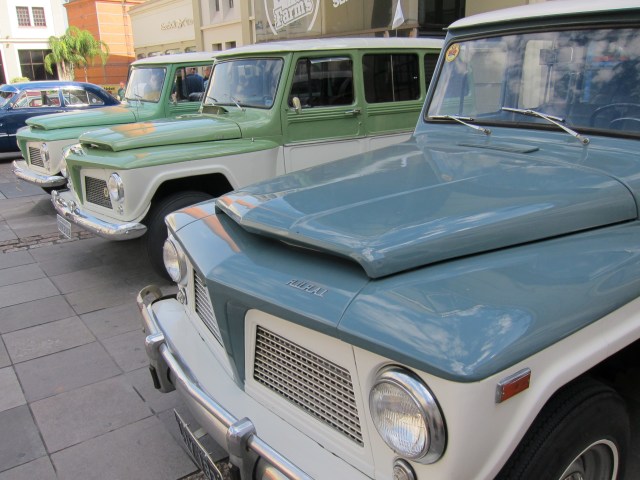
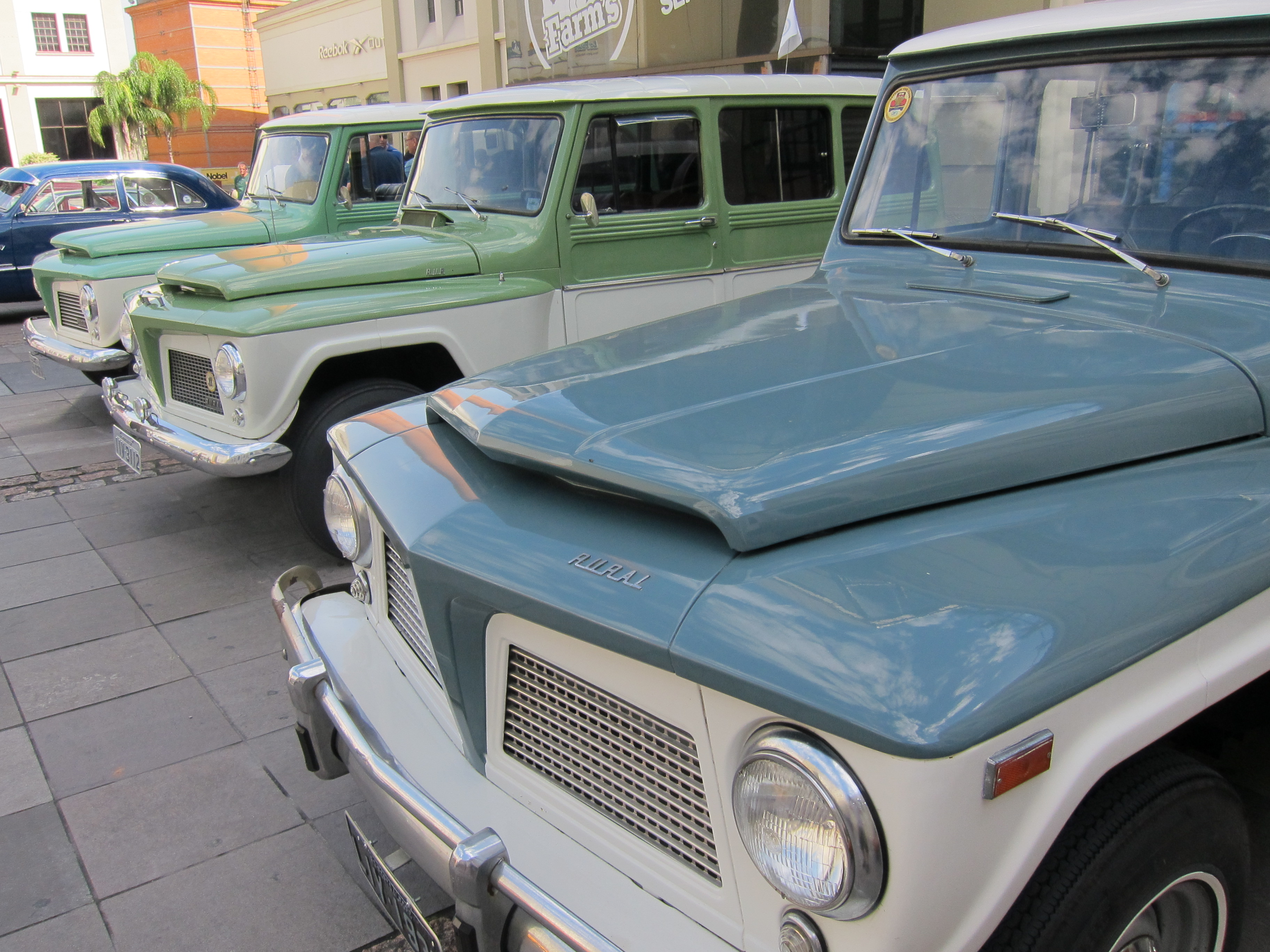
Rural Willys. Shopping Total, Porto Alegre, April 2011

Since we are on the car subject, as I described in the “why I ride section” of this site, I was always very mechanically inclined. My father is a very patient person. He had to be.  I was a back seat driver from an early age. We were four children (three sisters and me) and I had permanent dibs to a place in the rear seat of the car. My place was by the window, right behind my father.  My older sister’s place was by the other window behind my mom. My two younger sisters sat in the middle. Of course no seat belts, no car seats.

But the point I want to make here is that sitting right behind my father I must had been an annoying little kid, as I kept telling him to change from 2nd to 3rd gear or from 3rd to 4th when I heard the motor over rev.  Or I would tell him to downshift when it was clear he was lugging the engine. Nobody ever told me how to drive. I learned by ear, by paying attention to what people did to drive the car.
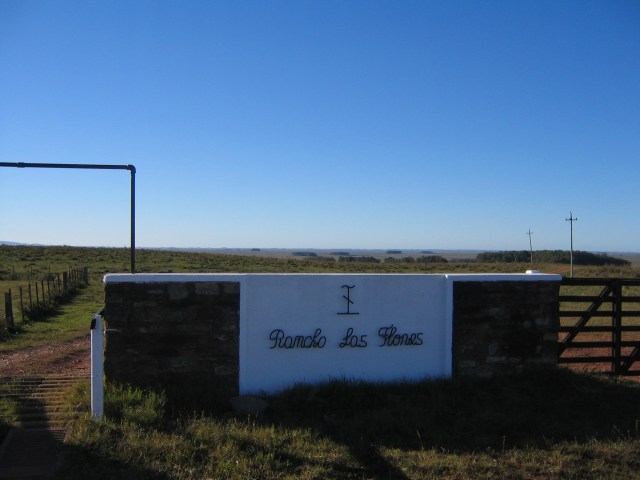
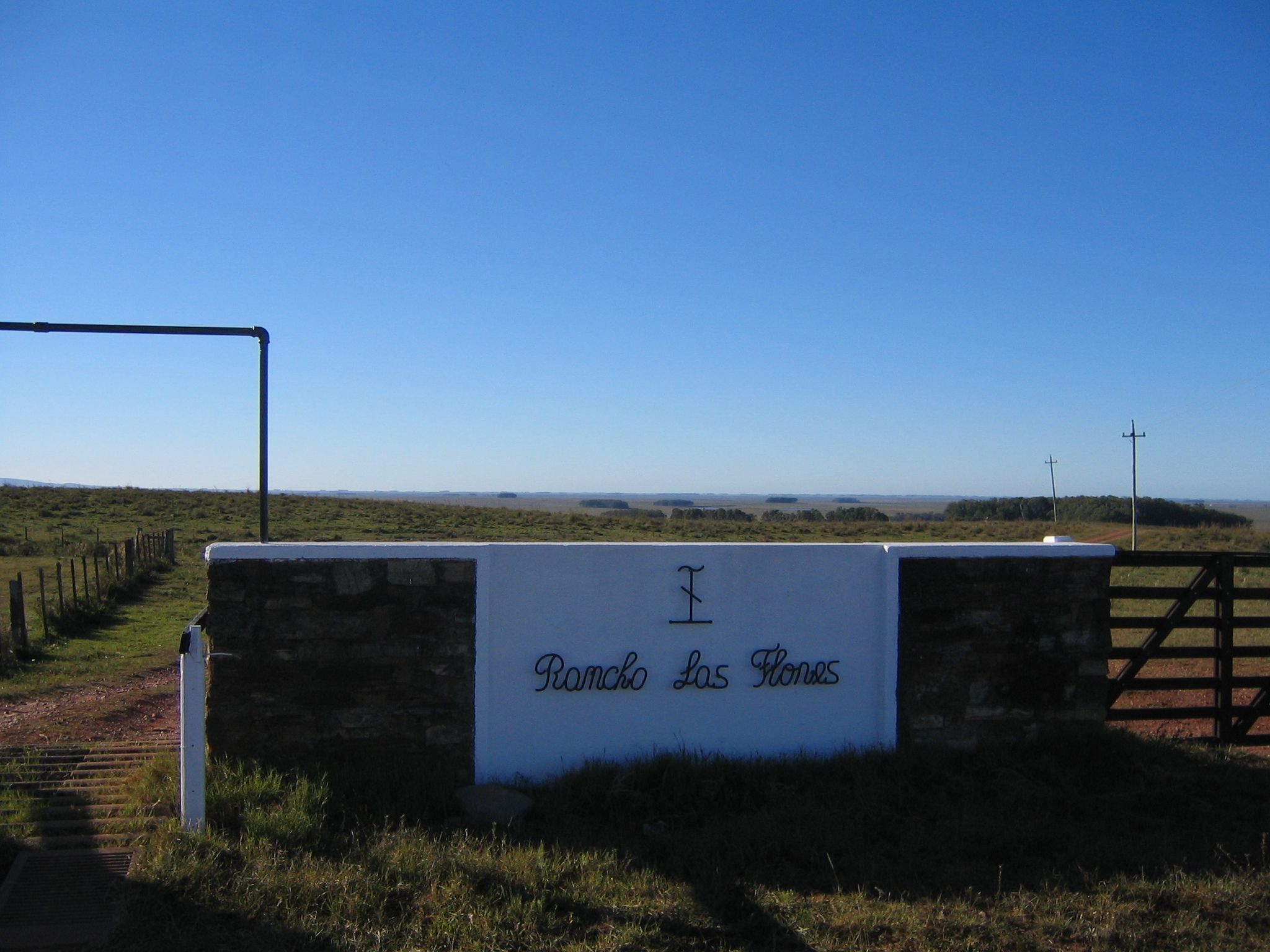
Rancho las Flores, Uruguay. Where I drove for the first time.

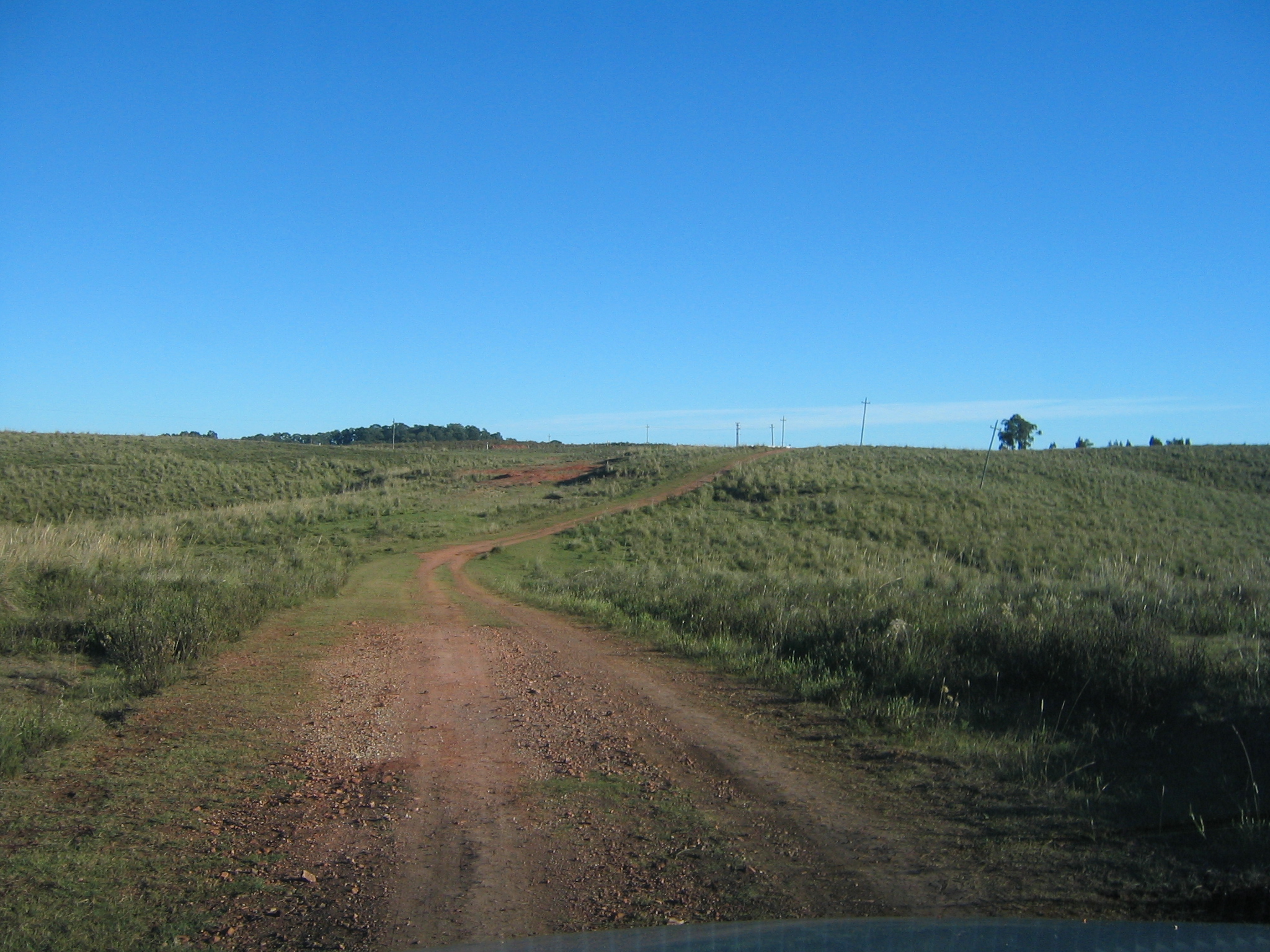
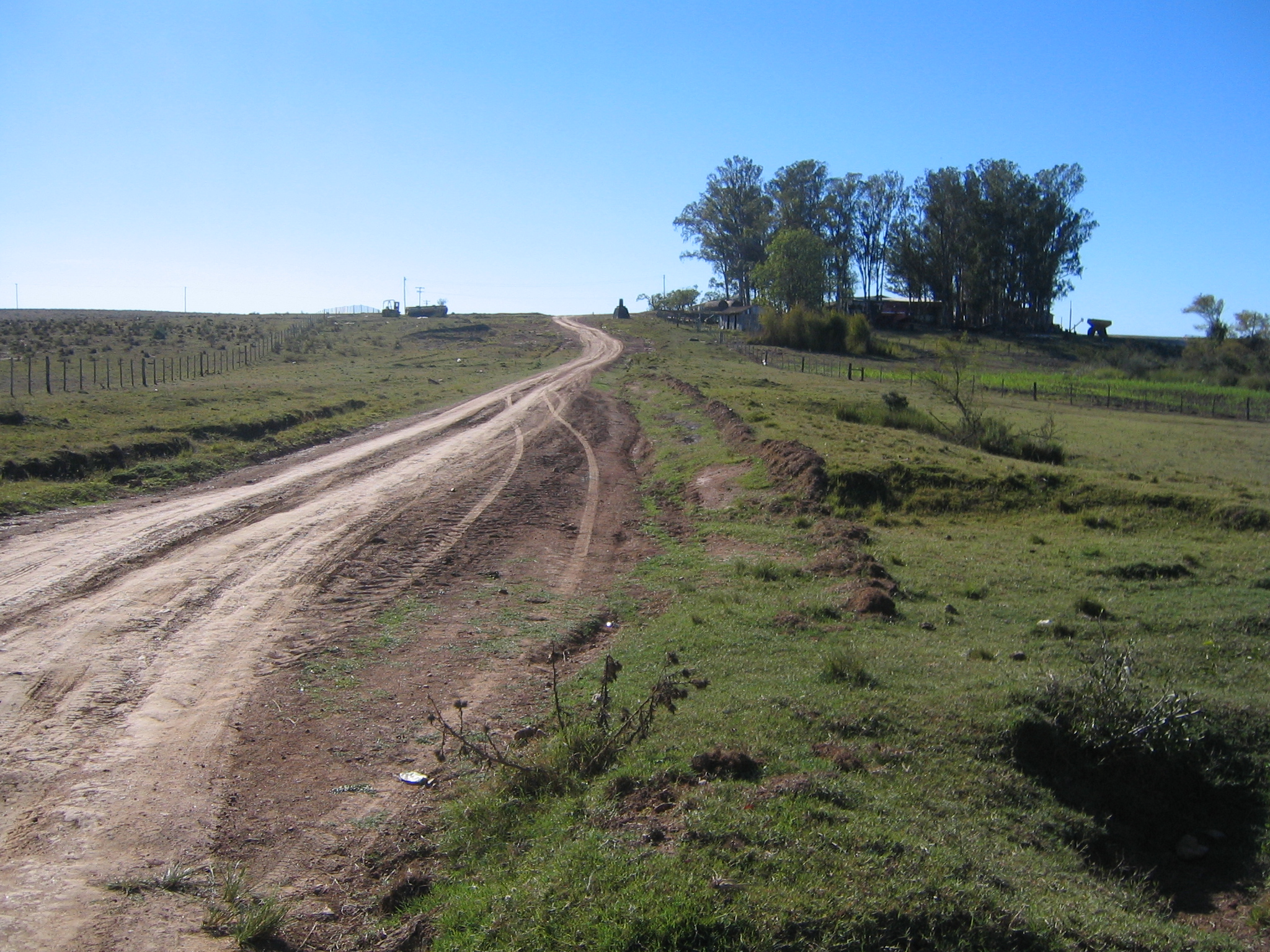
What happened is that on the summer I turned 12, I was at my uncle’s cattle ranch in Uruguay (Rancho las Flores, but better known as Sanga-Funda) and a friend of my cousin showed up for a visit on a Rural Willys (a Brazilian made version of the American Willys) very similar to the ones pictured above. My cousin’s friend one day asked me if I had ever driven a car.  I said no. So he asked whether I would like to drive. I said yes. So I drove his car from the ranch house to the front gate, which was about a mile long.  Photo below is that exact road.
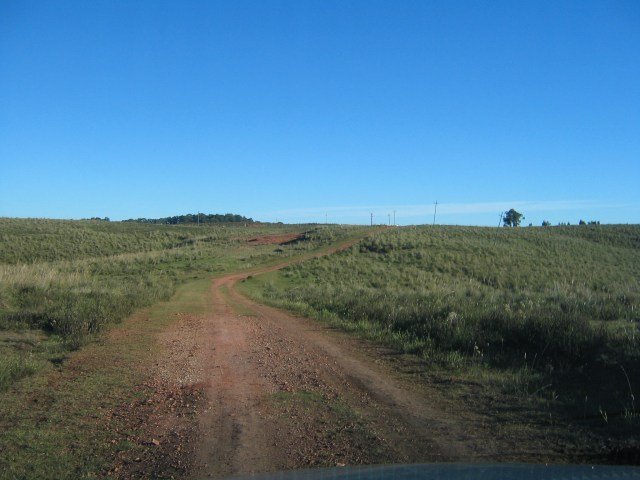
The access road in the Rancho Las Flores. Photo from April 2006.

He did not explain much to me. He asked if I knew what I had to do and I said yes.  So he told me two things: 1) the steering wheel has a half turn “play”, so you need to do half a turn until it “catches” the front wheels; and 2) it had a three-speed gear lever on the steering column, first down, second forward and up, third forward and down again. The second gear, he mentioned to me, was disengaging by itself, so you have to hold it up when driving on second gear.
Rural Willys: Three-speed on the steering column

And I was proud of my accomplishments. After so many years as my father’s back seat driver, I was able to perform without a flaw. It was hard to keep it going on the path I wanted because of the steering play.  But with all of that, being my first time putting in practice what I had been theorizing for several years, holding the second gear up when on second gear, driving with one-hand the steering with that play, I have to say it was a great accomplishment.

The Candango (Munga)

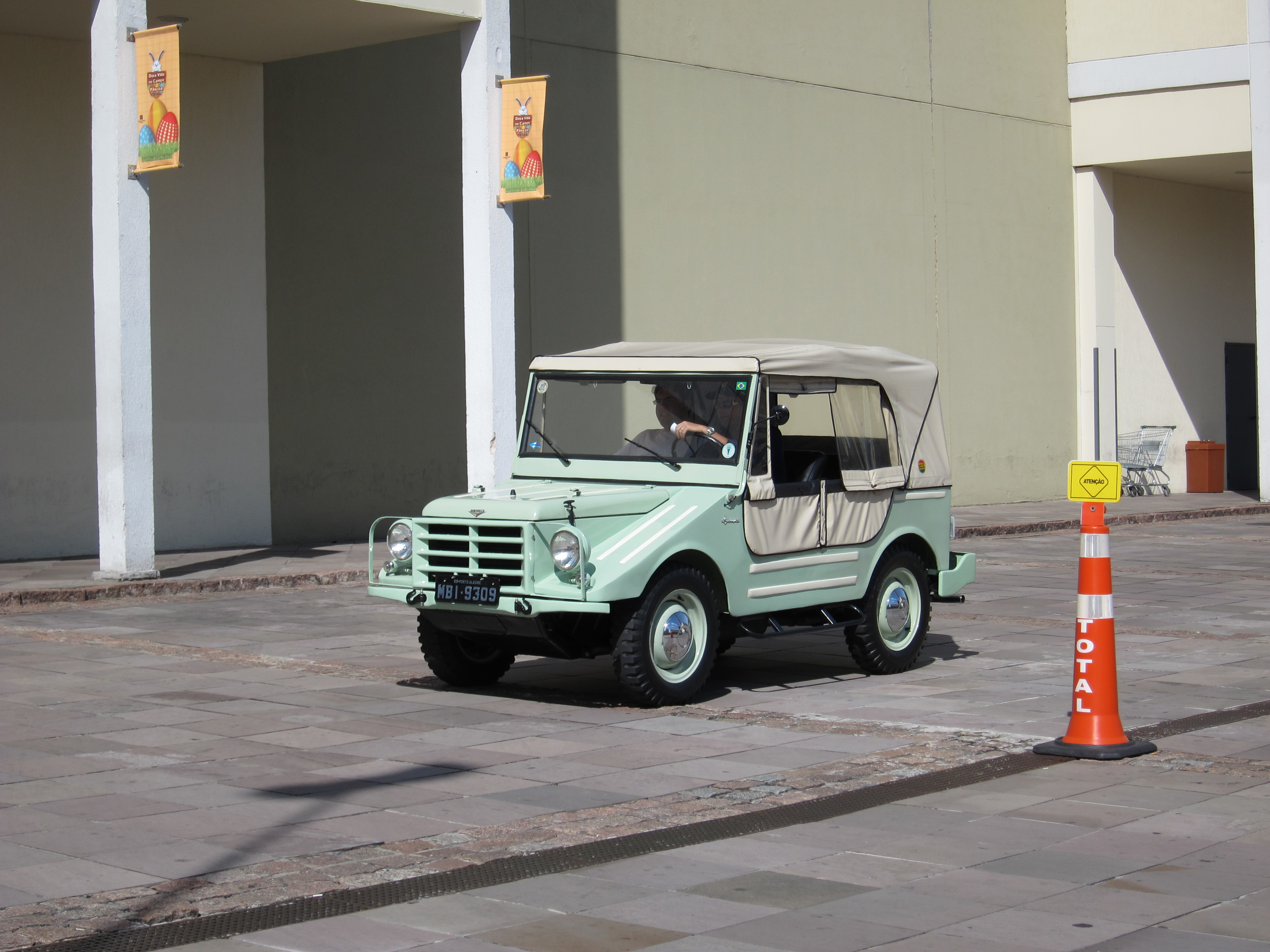
One more important car in my family history is the DKW Candango, the Brazilian version of the Munga.
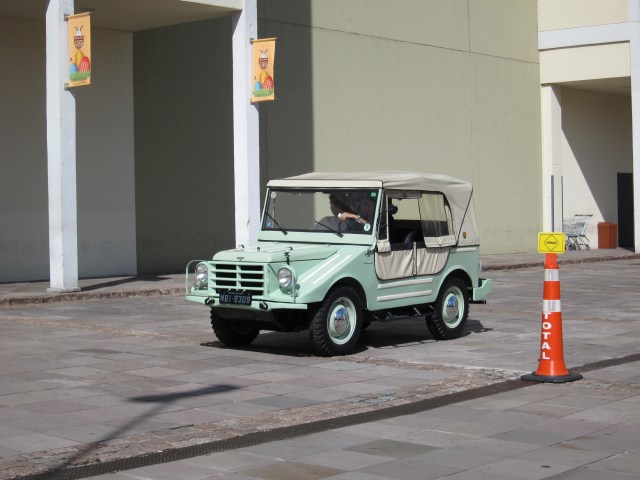
Brazilian made DKW Candango. Shopping Total, Porto Alegre, April 2011

Still today, to go from the city of Bagé in South Brazil, where relatives from my mothers’ side still live today, and go to the ranch in North Uruguay, the 100 km of dirt roads (some of it has been paved more recently, but not all) can be really treacherous, especially in the border area between Brazil and Uruguay.

Border between Brazil and Uruguay, San Luis river. April 2006

For several years, this border was unmanned or unrecognized and did not have an official road. To cross the river, the locals built wood bridges that often got carried down the river when it flooded. It still is a problem today.  But much more of a problem during the time I was growing up.
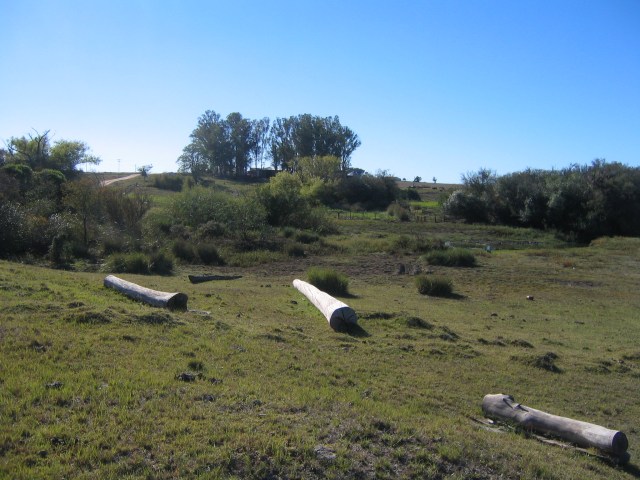
San Luis River, in the border between Brazil and Uruguay. April 2006

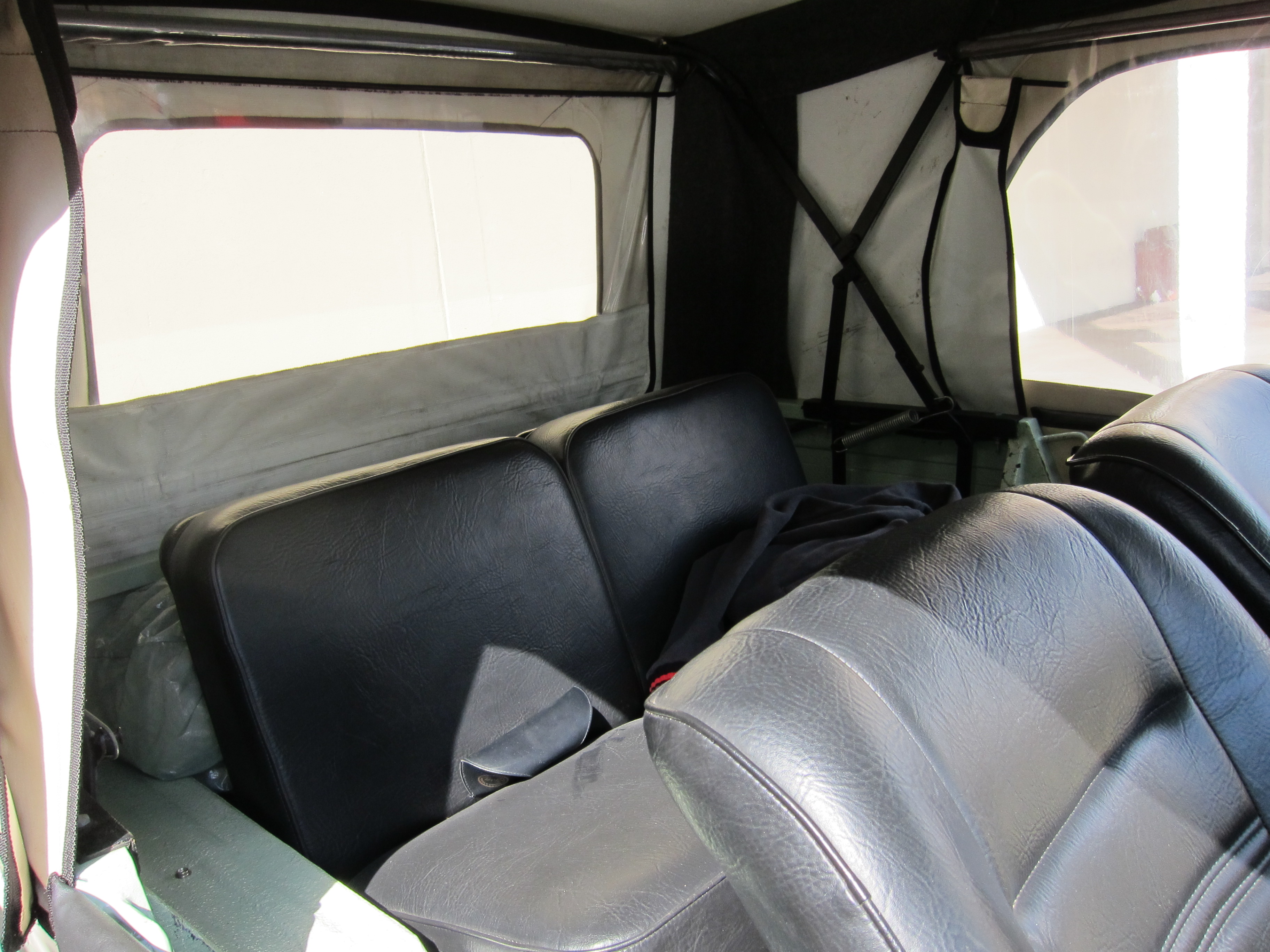
My uncle had one of these Candangos and this was the best car to have for those roads. I don’t know how we all fitted on this small car. My uncle, my aunt, my cousin, my sister and me (my younger sisters were not participating on these adventures yet).
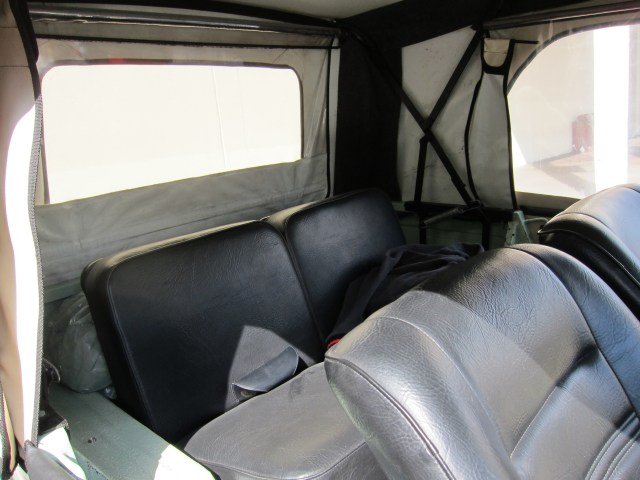
The back seat of a DKW Candango. Porto Alegre, April 2011

My uncle had a trailer, a steel trailer, that carried all the supplies for the several weeks we would stay at the ranch. And he drove on these roads, with mud and all the challenges these primitive roads had (and still have) with this loaded vehicle, plus the trailer.

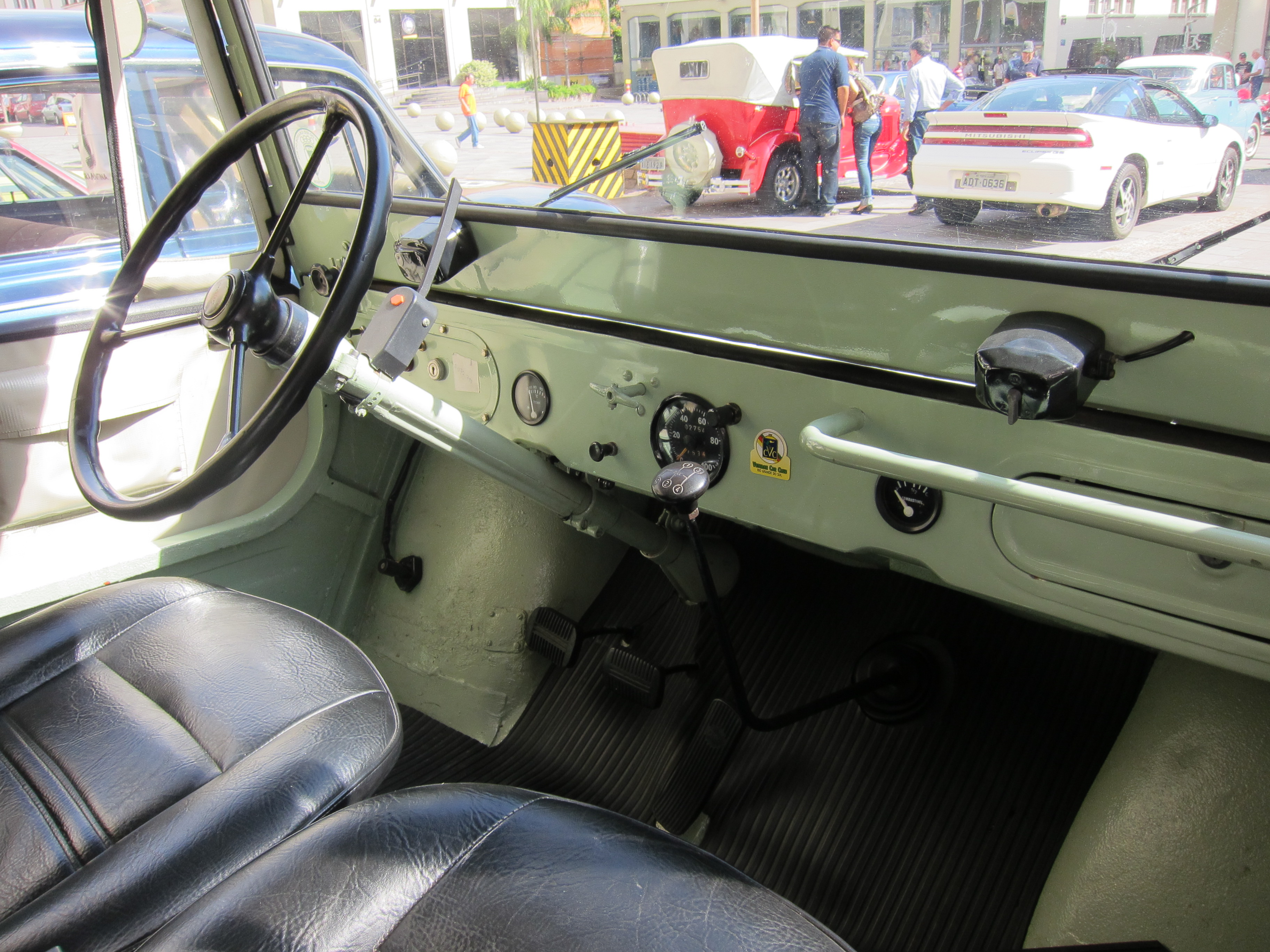
Dashboard of the Candango. Porto Alegre, April 2011

My uncle’s Candango was a four-wheel drive version. Till today I can’t imagine how this small motor, less than 1 liter, could carry all that weight.
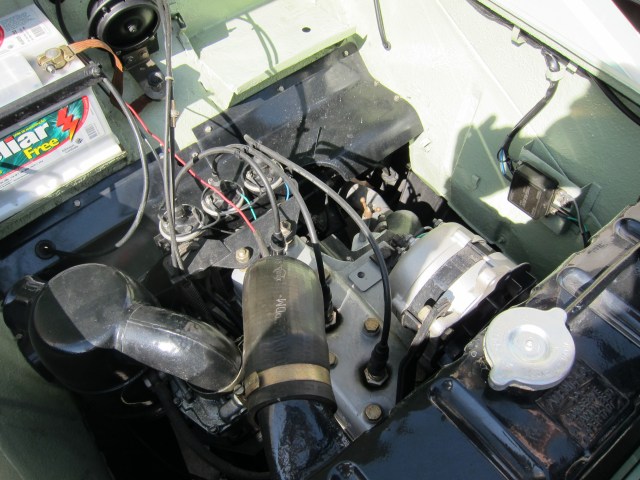
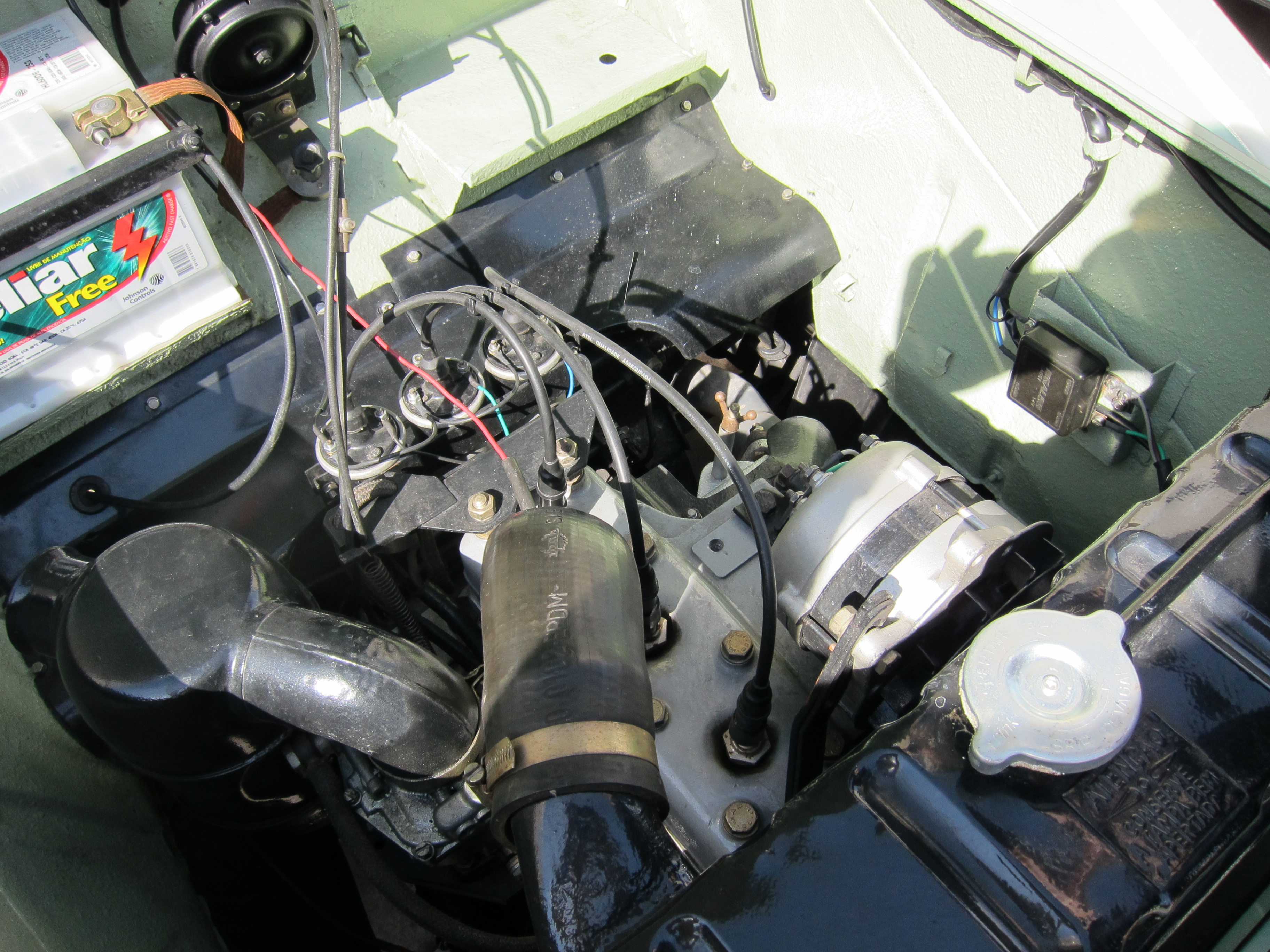
The 1 liter, three-cylinder, two-stroke motor. Porto Alegre, April 2011

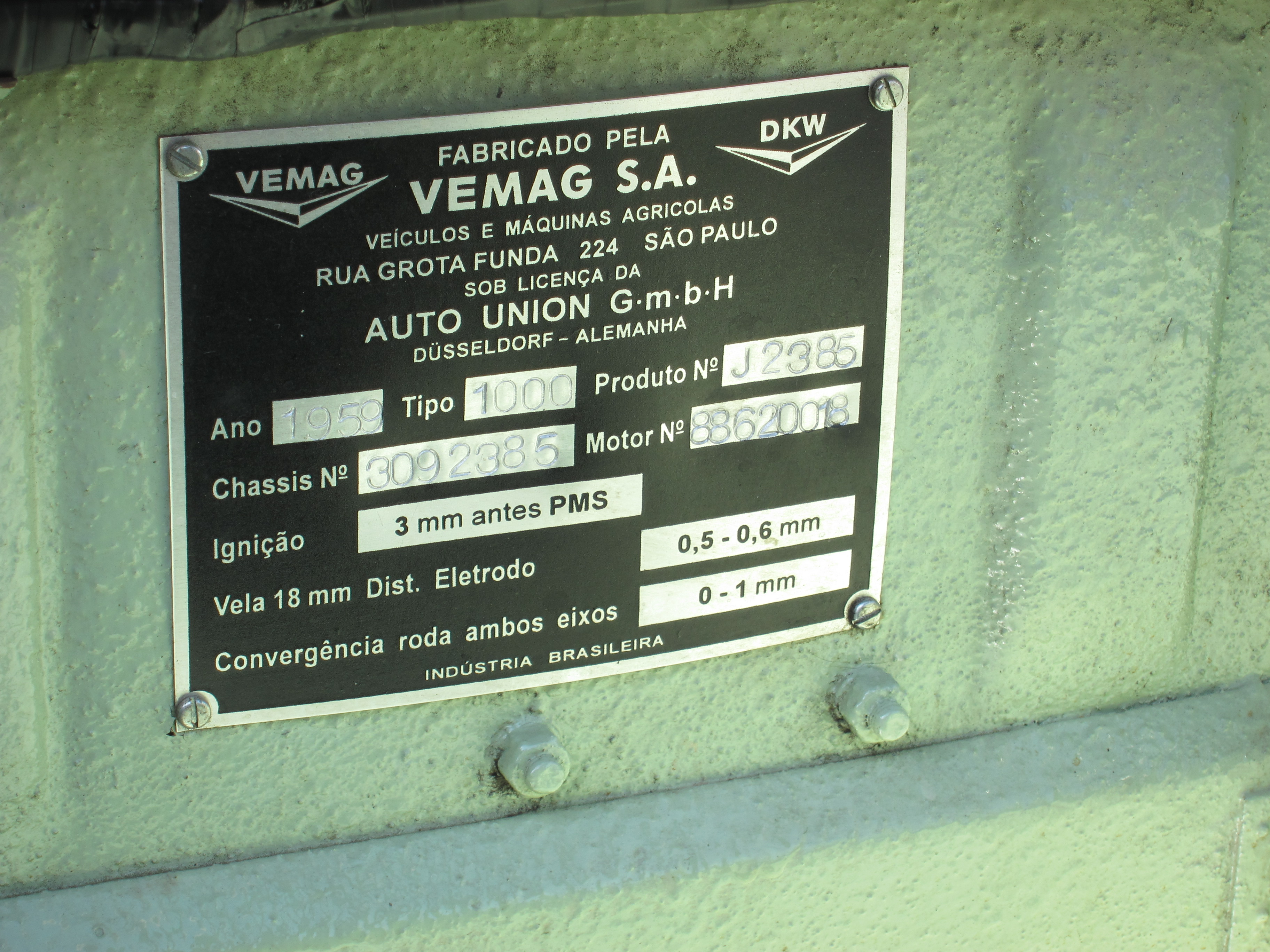
This car was made by Vemag in Brazil, similar to my father’s 1957 DKW.

Made by Vemag in Brazil. Photo at Porto Alegre, April 2011

I find it incredible that this motor, a three-cylinder, with slightly less than 1 liter displacement, cranked about 50hp, and could accomplish all of that.

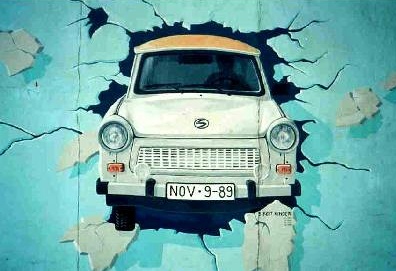
It should be of note that this little motor survived beyond DKW or Saab, and showed up in a car that was made well into the 80’s and possibly early 90’s, the infamous Trabant of East Germany.

Berlin Wall Trabant. Graffiti by Bogdangiusca.

Incidentally, my Triumph motorcycle has a three-cylinder motor, with a slightly smaller displacement (800cc), and cranks 95hp.

Well, that was a nice trip on memory lane.  I always wanted to talk about these stories about my father and his cars.  This blog and my father’s recent small bump on the road, offered me a great opportunity to do it.

Cesar

Posted in Porto Alegre, The Book | Tagged , , , , , , | 8 Comments

The Riding Pace

This article I’m posting here was originally published in the June 1993 issue of Sport Rider. And again on the February 2009 issue of Sport Rider.

It is a popular article, I came across this text on at least one motorcycle forum, so chances are you’ve already come across this information as well. It is an important riding tip, so I post it in case it is here that someone stumbles upon this story for the first time. It serves as a reminder to me and hopefully to others as well, that riding can be fun, or even more fun, when riding at a relaxed pace.

The focus is on the technique and refining skills. It is about picking the best line and being smooth and fluid when setting the bike up for a corner, reaching the apex, and throttling out of the corner.

Although this text was written almost 20 years ago, it works very well for today’s riding. Here it is.

Pace Yourself

By Nick Ienatsch

The street is not the track–it’s a place to Pace

Two weeks ago a rider died when he and his bike tumbled off a cliff paralleling our favorite road. No gravel in the road, no oncoming car pushing him wide, no ice. The guy screwed up. Rider error. Too much enthusiasm with too little skill, and this fatality wasn’t the first on this road this year. As with most single-bike accidents, the rider entered the corner at a speed his brain told him was too fast, stood the bike up and nailed the rear brake. Goodbye.On the racetrack this rider would have tumbled into the hay bales, visited the ambulance for a strip of gauze and headed back to the pits to straighten his handlebars and think about his mistake. But let’s get one thing perfectly clear: the street is not the racetrack. Using it as such will shorten your riding career and keep you from discovering the Pace. The Pace is far from street racing-and a lot more fun.The Pace places the motorcycle in its proper role as the controlled vehicle, not the controlling vehicle. Too many riders of sport bikes become baggage when the throttle gets twisted-the ensuing speed is so overwhelming they are carried along in the rush. The Pace ignores outright speed and can be as much fun on a Ninja 250 as on a ZX-11, emphasizing rider skill over right-wrist bravado. A fool can twist the grip, but a fool has no idea how to stop or turn. Learning to stop will save your life; learning to turn will enrich it. What feels better than banking a motorcycle into a corner?The mechanics of turning a motorcycle involve pushing and/or pulling on the handlebars; while this isn’t new information for most sport riders, realize that the force at the handlebar affects the motorcycle’s rate of turn-in. Shove hard on the bars, and the bike snaps over; gently push the bars, and the bike lazily banks in. Different corners require different techniques, but as you begin to think about lines, late entrances and late apexes, turning your bike at the exact moment and reaching the precise lean angle will require firm, forceful inputs at the handlebars. If you take less time to turn your motorcycle, you can use that time to brake more effectively or run deeper into the corner, affording yourself more time to judge the corner and a better look at any hidden surprises. It’s important to look as far into the corner as possible and remember the adage, “You go where you look.”DON’T RUSH

The number-one survival skill, after mastering emergency braking, is setting your corner-entrance speed early, or as Kenny Roberts says, “Slow in, fast out.” Street riders may get away with rushing into 99 out of 100 corners, but that last one will have gravel, mud or a trespassing car. Setting entrance speed early will allow you to adjust your speed and cornering line, giving you every opportunity to handle the surprise.We’ve all rushed into a corner too fast and experienced not just the terror but the lack of control when trying to herd the bike into the bend. If you’re fighting the brakes and trying to turn the bike, any surprise will be impossible to deal with. Setting your entrance speed early and looking into the corner allows you to determine what type of corner you’re facing. Does the radius decrease? Is the turn off-camber? Is there an embankment that may have contributed some dirt to the corner?Racers talk constantly about late braking, yet that technique is used only to pass for position during a race, not to turn a quicker lap time. Hard braking blurs the ability to judge cornering speed accurately, and most racers who rely too heavily on the brakes find themselves passed at the corner exits because they scrubbed off too much cornering speed. Additionally, braking late often forces you to trail the brakes or turn the motorcycle while still braking. While light trail braking is an excellent and useful technique to master, understand that your front tire has only a certain amount of traction to give.If you use a majority of the front tire’s traction for braking and then ask it to provide maximum cornering traction as well, a typical low-side crash will result. Also consider that your motorcycle won’t steer as well with the fork fully compressed under braking. If you’re constantly fighting the motorcycle while turning, it may be because you’re braking too far into the corner. All these problems can be eliminated by setting your entrance speed early, an important component of running at the Pace.Since you aren’t hammering the brakes at every corner entrance, your enjoyment of pure cornering will increase tremendously. You’ll relish the feeling of snapping your bike into a corner and opening the throttle as early as possible. Racers talk about getting the drive started, and that’s just as important on the street. Notice how the motorcycle settles down and simply works better when the throttle is open? Use a smooth, light touch on the throttle and try to get the bike driving as soon as possible in the corner, even before the apex, the tightest point of the corner. If you find yourself on the throttle ridiculously early, it’s an indication you can increase your entrance speed slightly by releasing the brakes earlier.As you sweep past the apex, you can begin to stand the bike up out of the corner. This is best done by smoothly accelerating, which will help stand the bike up. As the rear tire comes off full lean it puts more rubber on the road, and the forces previously used for cornering traction can be converted to acceleration traction. The throttle can be rolled open as the bike stands up.

This magazine won’t tell you how fast is safe; we will tell you how to go fast safely. How fast you go is your decision, but it’s one that requires reflection and commitment. High speed on an empty four-lane freeway is against the law, but it’s fairly safe. Fifty-five miles per hour in a canyon might be legal, but it may also be dangerous. Get together with your friends and talk about speed. Set a reasonable maximum and stick to it. Done right, the Pace is addicting without high straightaway speeds.

The group I ride with couldn’t care less about outright speed between corners; any gomer can twist a throttle. If you routinely go 100 mph, we hope you routinely practice emergency stops from that speed. Keep in mind outright speed will earn a ticket that is tough to fight and painful to pay; cruising the easy straight stuff doesn’t attract as much attention from the authorities and sets your speed perfectly for the next sweeper.

GROUP MENTALITY

Straights are the time to reset the ranks. The leader needs to set a pace that won’t bunch up the followers, especially while leaving a stop sign or passing a car on a two-lane road. The leader must use the throttle hard to get around the car and give the rest of the group room to make the pass, yet he or she can’t speed blindly along and earn a ticket for the whole group. With sane speeds on the straights, the gaps can be adjusted easily; the bikes should be spaced about two seconds apart for maximum visibility of surface hazards.

It’s the group aspect of the Pace I enjoy most, watching the bikes in front of me click into a corner like a row of dominoes, or looking in my mirror as my friends slip through the same set of corners I just emerged from.

Because there’s a leader and a set of rules to follow, the competitive aspect of sport riding is eliminated and that removes a tremendous amount of pressure from a young rider’s ego-or even an old rider’s ego. We’ve all felt the tug of racing while riding with friends or strangers, but the Pace takes that away and saves it for where it belongs: the racetrack. The racetrack is where you prove your speed and take chances to best your friends and rivals.

I’ve spent a considerable amount of time writing about the Pace (see Motorcyclist, Nov. ’91) for several reasons, not the least of which being the fun I’ve had researching it (continuous and ongoing). But I have motivations that aren’t so fun. I got scared a few years ago when Senator Danforth decided to save us from ourselves by trying to ban superbikes, soon followed by insurance companies blacklisting a variety of sport bikes. I’ve seen Mulholland Highway shut down because riders insisted on racing (and crashing) over a short section of it. I’ve seen heavy police patrols on roads that riders insist on throwing themselves off of. I’ve heard the term “murder-cycles” a dozen times too many. When we consider the abilities of a modern sport bike, it becomes clear that rider technique is sorely lacking.

The Pace emphasizes intelligent, rational riding techniques that ignore racetrack heroics without sacrificing fun. The skills needed to excel on the racetrack make up the basic precepts of the Pace, excluding the mind-numbing speeds and leaving the substantially larger margin for error needed to allow for unknowns and immovable objects. Our sport faces unwanted legislation from outsiders, but a bit of throttle management from within will guarantee our future.

The Pace Principles

1 Set cornering speed early.
Blow the entrance and you’ll never recover.

2 Look down the road.
Maintaining a high visual horizon will reduce perceived speed and help you avoid panic situations.

3 Steer the bike quickly.
There’s a reason John Kocinski works out-turning a fast-moving motorcycle takes muscle.

4 Use your brakes smoothly but firmly.
Get on and then off the brakes; don’t drag ’em.

5 Get the throttle on early.
Starting the drive settles the chassis, especially though a bumpy corner.

6 Never cross the centerline except to pass.
Crossing the centerline in a corner is an instant ticket and an admittance that you can’t really steer your bike. In racing terms, your lane is the course; staying right of the line adds a significant challenge to most roads and is mandatory for sport riding’s future.

7 Don’t crowd the centerline.
Always expect an oncoming car with two wheels in your lane.

8 Don’t hang off in the corners or tuck in on the straights.
Sitting sedately on the bike looks safer and reduces unwanted attention. It also provides a built-in safety margin.

9 When leading, ride for the group.
Good verbal communication is augmented with hand signals and turn signals; change direction and speed smoothly.

10 When following, ride with the group.
If you can’t follow a leader, don’t expect anyone to follow you when you’re setting the Pace.

Posted in The Book | Tagged , , , , , | Leave a comment

The Giant Loop Bags

If you build it, they will come.  And for motorcycle travel, if we install travel bags or cases on our motorcycle, we will fill all that space with gear, and then attach something more to it. More often than not, we will start our travel with more gear than what we really need. We want to be prepared for the unexpected, right? But we also know that the more we carry and the more weight we add to our motorcycle, the more we modify its characteristics.  After many years fiddling with luggage systems, I think I found an ideal set up, something that will help us in limiting how much we carry, carrying our gear securely and efficiently on the bike, and I want to share this set up with you.

I really enjoy taking a motorcycle out for a quick spin on the nice roads just out of town, carrying almost nothing on the bike, except for camera equipment and the basics to fix a flat tire. In 10 miles or less and I’m already on the open curvy roads or on a nice gravel road.  I can leave at noon, ride to the coast, enjoy the ocean, and be back home for dinner.

The Dakar at the Oregon Coast. It was July, 2011. Does it really gets this sunny around here?

Or what about a nice loop going East toward the mountains and enjoy the nice curves and switchbacks going up on the Cascades, have a cup of coffee or two in the town of Sisters and be back home before dark?  Those are the times when the bike is performing at its best.

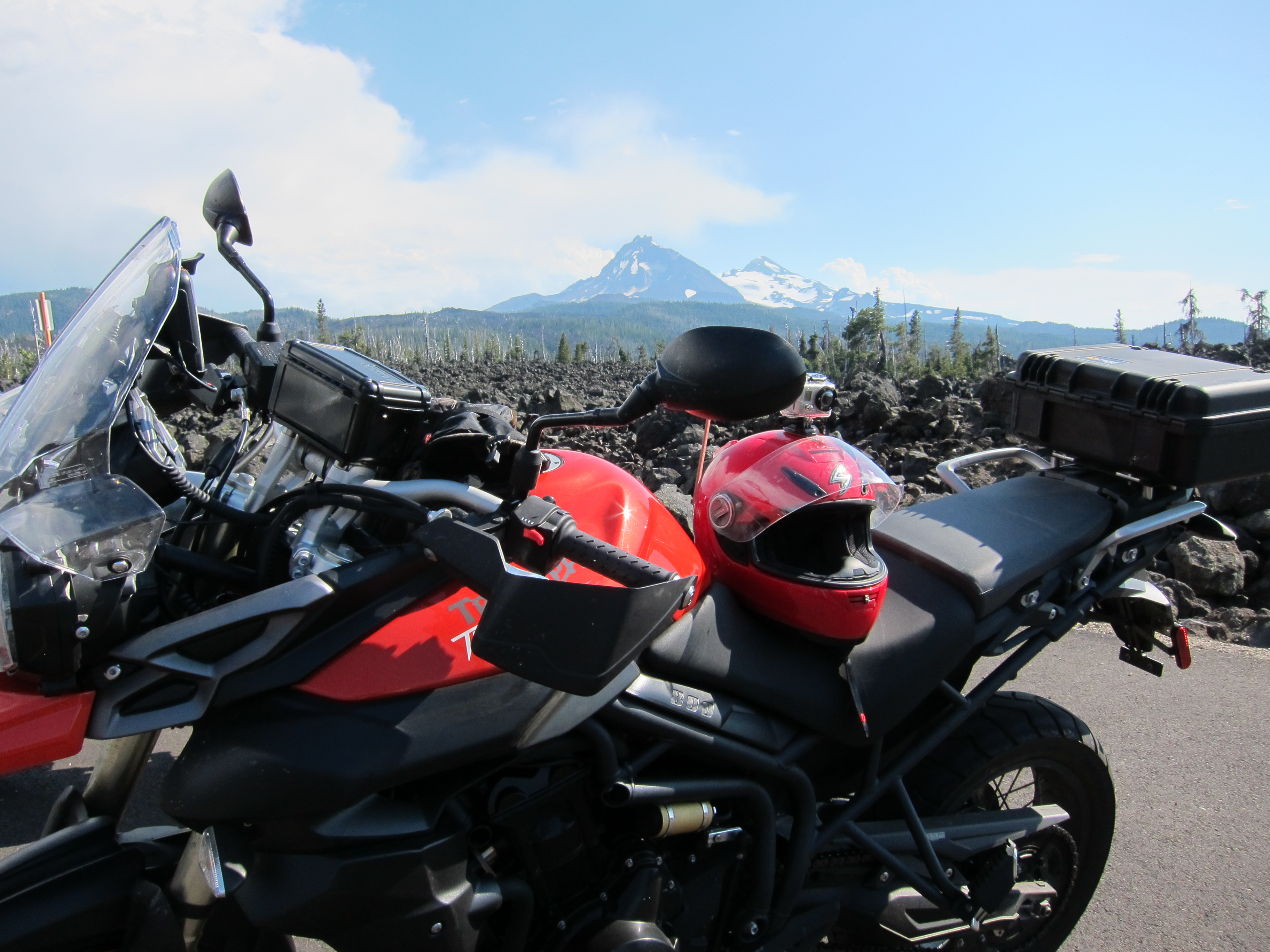
The Tiger on McEnzie Pass. That was September 2011. It really gets sunny here, at some point.

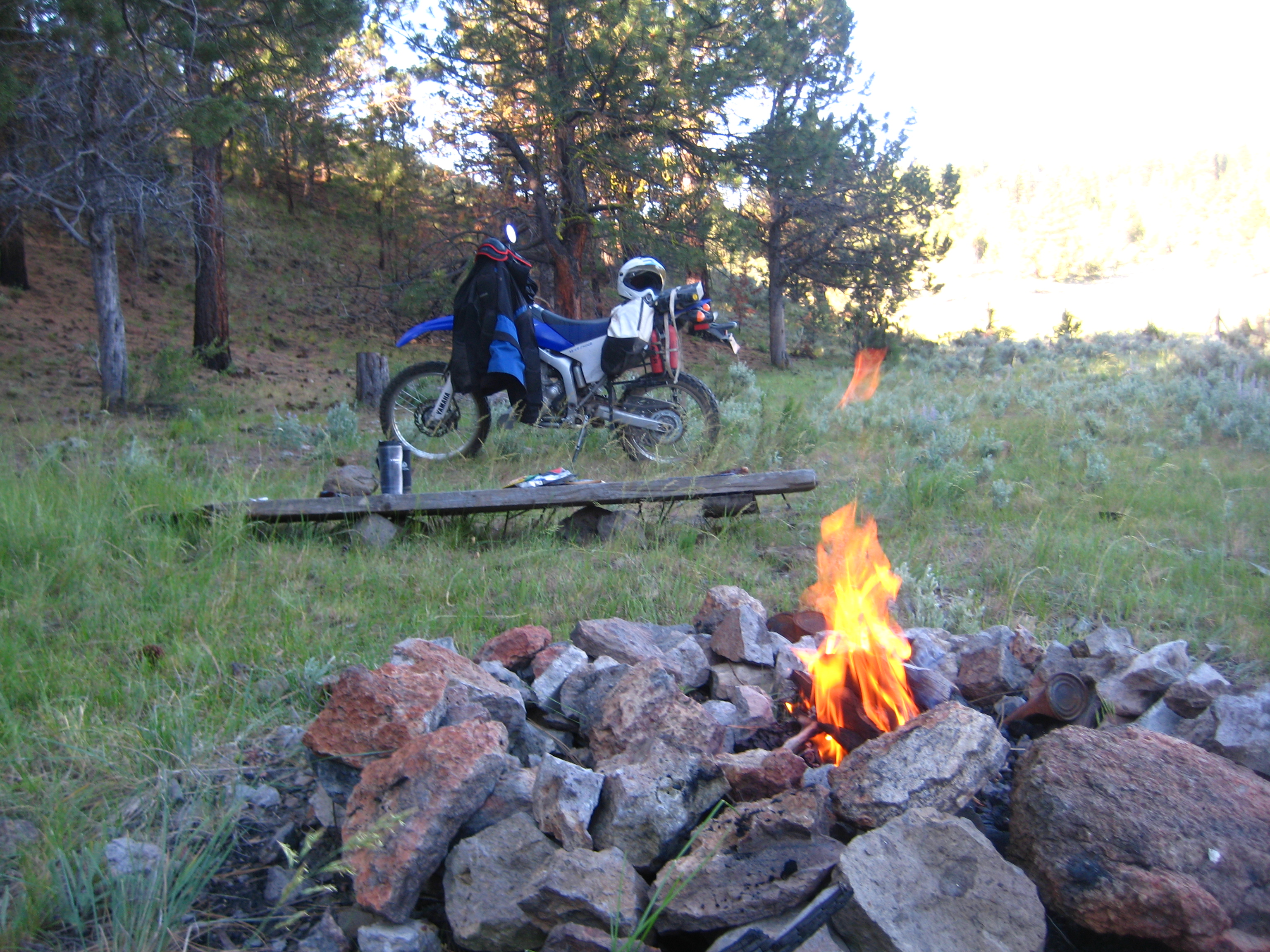
But more than once a year the motorcycle is my companion for longer distance, multi-day travel.  It is me, the bike, and my camping gear. Ready to stop only when it is time to stop. A man and his ride.

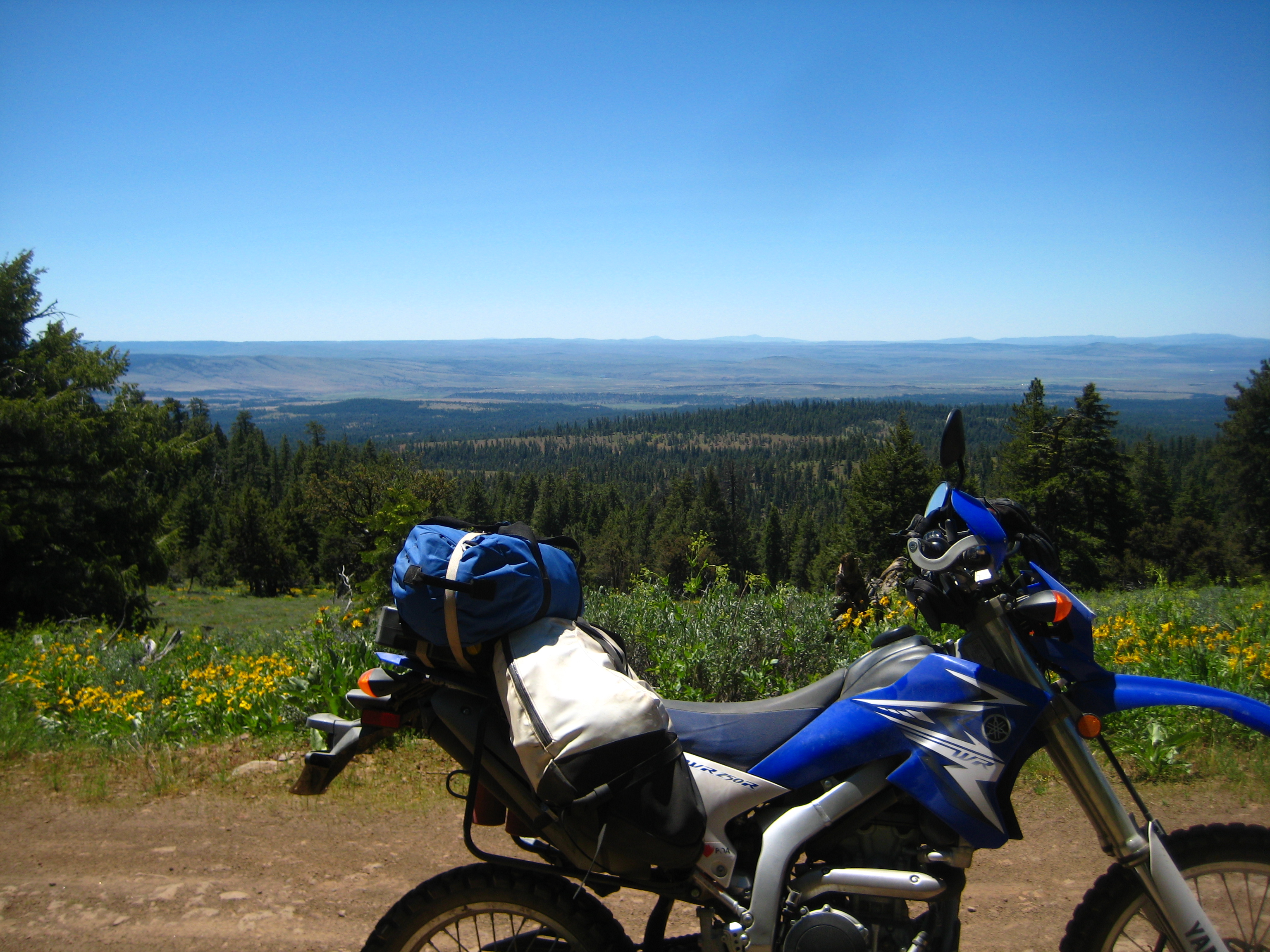
The Yamaha WR250R somewhere close to the Ochoco Forest, Oregon. That was July, 2010.

What makes it so great about traveling on motorcycle is that they are fun to ride, they are nimble, fuel efficient, go anywhere vehicles. That’s what makes them great adventure machines.  However, things change when we need to carry a tent, camping gear, tools, and anything else that we may need for a long distance, multi-day, self-sustained trip.  No matter what, the bike’s performance will be changed. But according to how much we carry and how we accommodate our gear on the bike we may actually not lose much of the motorcycle’s capability for adventure. So what is the best approach to take what you need with you and not compromise the fun part of the ride?

Jesse bags fitted on someone's f800gs

There are three main ways people carry their travel gear on motorcycle: hard cases, soft bags, or a combination of both. For many, the idea of hard cases is synonymous with adventure.  This BMW F800GS (on the left) is fitted with Jesse side and top metal cases.  You see many bikes with such cases.  To do so you need to add racks to secure the boxes to the frame of the motorcycle (or subframe). The rack and the boxes add a good amount of weight to the bike.  In summary: 1) they add weight to the motorcycle; 2) the weight is at the wrong end of the motorcycle; 3) these boxes expand the area of the motorcycle that needs to cut through the air, and 4) the boxes give us space, perhaps too much space that we will fill to the brim, and in most cases, we will bungee stuff to top of the boxes as well, since they offer great top surfaces for that.  If these four reasons are not enough, it is known that these boxes can be dangerous to a rider or to a motorcycle in case of accident. I’ve heard a few stories of guys who, when they had to put a foot down for balance or something when the bike was moving, their leg got caught and wedged under the side case and the leg got seriously injured, even broken.  And what about the stories when the bike crashed, the hard case hits the ground first and the impact is transmitted directly to the racks and from there to the bike frame.  A bent frame or worse, a broken frame or subframe can be the end of a story. Or the beginning of an expensive story. That’s why I prefer to stay away from hard cases.

Caribou cases on someone else's F800GS

Te exception to this rule happens when traveling with a passenger. In this case, I would probably select hard cases made by Jesse as the one on the photo above or the Caribou cases, using Pelican plastic boxes, as the photo on the right.  Both the Jesse and Pelican offer cases that are narrow so they do not interfere as much with the bike’s profile. And I find them to be the best looking cases, or the ones that offer the least intrusive look among the hard case options. And there are many hard case options out there.  There are also a few soft bags that are attached to the sides of the bike, and require a rack or metal frame for the attachment.

My preference is to stay away from these boxes. When carrying my traveling gear, and traveling solo, I prefer the options that do not need any metal paraphernalia, and the Giant Loop bags are the best option out there. You can load the bag outside of the bike, take it to the bike and it will fit nicely where the passenger would seat. For the smaller Coyote bag, a three-point quick cinch process and you are all set. I have the Coyote for the Yamaha, for my desert rides. This bag also allows me to attach another smaller bag to it for my tent and sleeping bag. Everything is well secured.

The White Coyote installed on the WR250R. Photo from July 2010.

These bags generate the least amount of impact on the bike’s performance: 1) they are very light; 2) they do not require racks; 3) they are slim, almost conforming to the rider; 4) whatever you carry on them, the weight is carried closer to the rider, more on the middle of the bike, and 5) because of the bag’s shape, overlapping the rear of the bike’s seat, they are secured really well to the motorcycle. When I ride with these bags on my bikes, I don’t even notice they are there. They don’t move! And if you drop your bike, they will cushion the impact.

If you are really serious about adventure riding, and will be traveling on dirt roads, including washboard gravel roads, where the terrain will be challenging for the motorcycle and racks, my recommendation goes to the Giant Loop bags.  Here is a video where I’m riding the WR250R on some rough terrain with all the gear as on the photograph above.

Or this other video (below) I hit a tall cattle guard at a good clip, got me some air, and my gear, safely arranged with the Coyote Giant Loop bag, did not move.

But you don’t need to ride fast or in rough terrain to enjoy the advantages of the Giant Loop bags.  I also have the larger version, the Great Basin bag.  It works for both the Dakar,

Great Basin bag installed in the Dakar. Photo from September 2011.

and the Tiger. By the way, the Tiger photo below shows what I carried with me on a five-day trip. It includes camping gear (stove, tent, pad, sleeping bag, and sleeping bag insert).

Great Basin installed in the Tiger. Photo from September 2011.

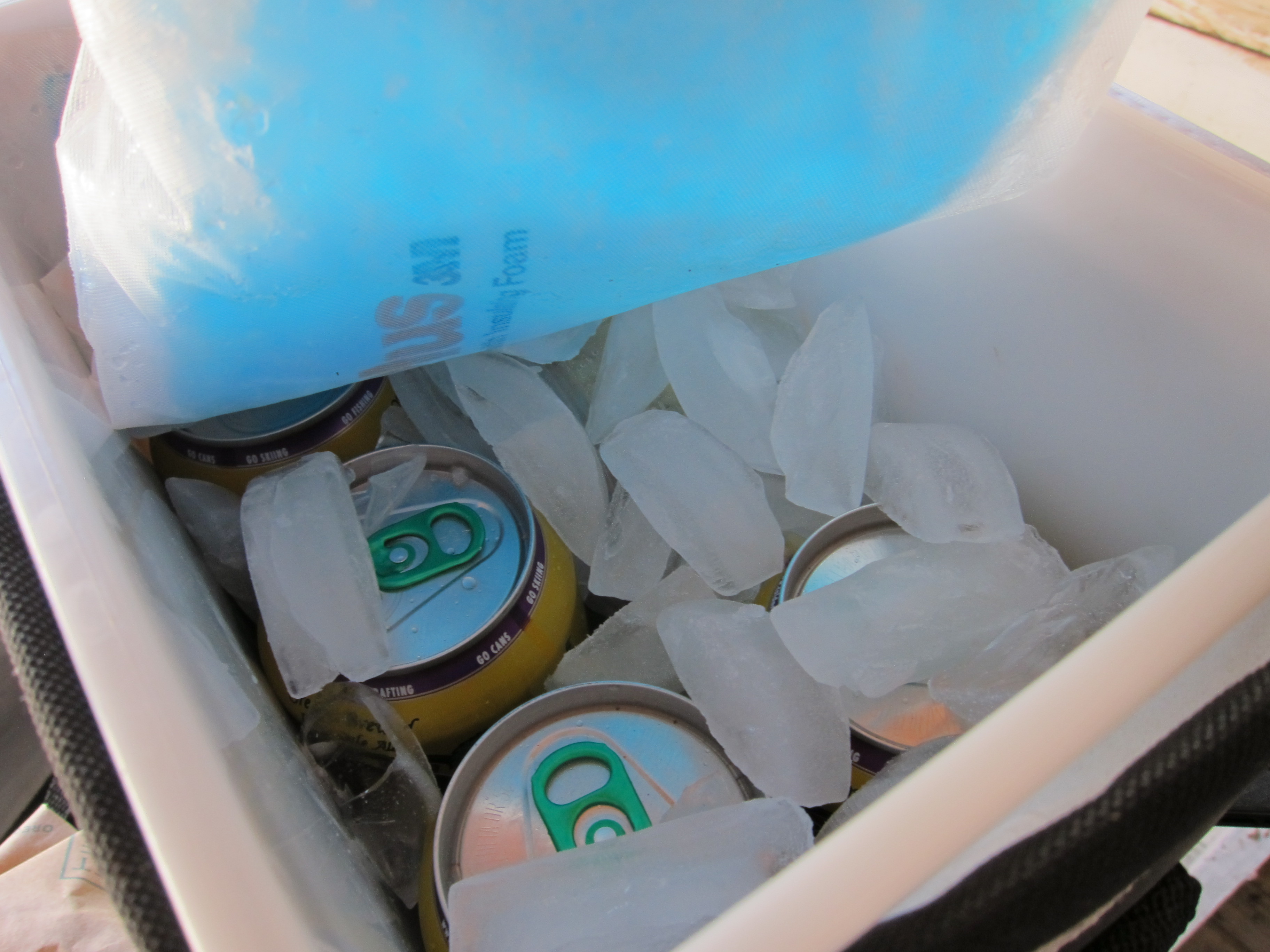
The bags are waterproof, by the way. And the Great Basin has a compartment on the top that perfectly fits my small cooler.

Packing the Great Basin. Check the small cooler. Photo from August 2011.

Four beers and potato salad...

On this particular trip on the photo above, I had in the cooler: four beers, a nice rib-eye steak, and a container with potato salad.

By the way, barbecuing that rib eye with rock salt and serving it with potato salad is the perfect meat and potatoes dinner, in my opinion.

When I arrived at the campsite and met my non riding friends, they were impressed by how much I had packed with me, including my

The steak on top of the beer.

steak dinner, and cold beer.  Of course, the real point here is that they were glad I did not have to bum them off for much of their beer.

I really like this discovered feature on the Great Basin, allowing my small cooler to fit in it like it was made for it. And it is of easy access as well, since it is on top. So if you stop to get your beer (or meal or both) before finding your camp location for the night, this is the perfect, strategic location for a six-pack or dinner or both.

The perfect location for a small cooler in the Great Basin. Photo from August 2011.

It seems like I digressed a bit…

Back to the subject, when traveling with the bigger bikes, I like to combine the Great Basin with a small top case, a Pelican box. It is the Pelican Storm, IM 2200. It is small enough that I don’t have any extra space for anything superfluous. The tent goes in between the Great Basin and the Pelican box.

The Tiger by some small trees in California. Photo from July 2011.

This small Pelican box is perfect to carry all the small bits for which it is convenient to have quick access. That includes sunglasses, cameras, extra gloves, and other small electronic bits. It fits a laptop as well.

Another advantage of this system is how easy it is to unload the bike. Below is a video showing how I unload the bike.  In about a minute I’m walking away from the bike with all my belongings with me. Three hand-tight quarter-turn fasteners for the box, four quick release buckles for the Great Basin. One trip is all it takes to get everything out of the bike and walk away from a now completely unloaded bike (note: I had already removed the tent when I made this video, but if that was not the case, it would not had added much time and procedures to the process, as the 2-person, 3lb tent is in a small bag that has a handle).

To complete my set up, I have a small Otter box to carry my camera, I-phone and wallet at the bike’s handle bars.

The small Otter box. Photo from July 2011.

Now, you noticed I don’t have a tank bag on the motorcycle. Tank bags are a practical way for carrying the things to which you need immediate access. However, tank bags are to a motorcycle what those fanny packs are to us.

Happy Tourist sporting fanny pack. Photo source? It was a Google search.

And some people go to the extreme with tank bags, to a point the tank bag gets so tall that they start affecting their sight to the motorcycle dashboard, or to a point that even the riding experience gets compromised. I don’t think you will ever see any of my bikes sporting a tank bag, the same way I will not wear a fanny pack. Although I have to admit they really are practical and the tank bags offered by Giant Loop are reasonably well designed, and small enough. But they are still fanny packs, I mean tank bags.

And if I can help it, you will also never see my bikes disappear under a mountain of bags.  That is what I call the hobo approach. Some people load their bikes to the extreme, everything goes, and the bike disappears under a mass of seemingly randomly attached gear with bungee cords and other cinching mechanisms. This is the case on this R1100GS photo I found on the Horizons Unlimited site (a great resource for motorcycle overland travel, by the way!).

The Hobo Approach to travel on Motorcycle

Can you see a motorcycle under there? Of course this approach works as proven by the many people who circumnavigated the earth with all sorts of gear strapped haphazardly to their motorcycles. Part of the adventure then becomes to load and unload this machine at every stop.

Why not start the trip with your motorcycle loaded with only what is really necessary for the trip? And what about if you could do it without racks and hard side cases?

In the end, in doesn’t really matter which way you set your bike for adventure, what matters is that you have fun.  But as a rule I would recommend that the “less is more” approach works particularly well for adventure riding. And the Giant Loop bags are one of the greatest options out there to carry your gear on the motorcycle.

I wish all of you a great year of adventure riding, where you visit many great places and always return home safely.

Posted in Product Reviews | Tagged , , , , , , , , , | 8 Comments

The Yamaha Super Ténéré is in Eugene

I stopped by the local Yamaha dealer to buy a new shield for one of my helmets and there it was: The 2012 Yamaha Super Ténéré XT1200Z.  This bike was launched as a 2011 model in Europe during the fall of 2010.  It was supposed to be available in the United States by the Spring of 2011.  However, the March 11, 2011 Japan earthquake that led to a Tsunami and a nuclear meltdown halted Yamaha’s production of this motorcycle. A few months later Yamaha re-started its production and after catching up with all the U.S. pre-ordered bikes, finally we can see this bike in a showroom floor here in Eugene.

2012 Yamaha Super Ténéré. December 23, 2011

It is a beautiful machine.  And a very capable one as well. To know more about what this machine can do, check Nick Sanders‘ website. Nick Sanders is a British motorcyclist and writer who this year (2011) completed a trip from Alaska to Tierra del Fuego and then back to Alaska on a motorcycle exactly like this one.

Nick Sanders, somewhere in South America. 2010

And he did this round trip in 49 days! Can you imagine that? You can learn more about Nick Sanders’ tremendous adventure on his site under the incredible ride title.

Meanwhile, you can check the Super Ténéré at Ramsey-Waite. Ask for Greg Toftdahl and he will let you know about this bike.

I haven’t ridden this bike yet, but journalists and riders who have tested it put it on the level of the venerable BMW R1200GS. The specs put these bikes very close to each other in terms of performance and riding characteristics. And the price of the Yamaha is very competitive.

Cockpit view.

The holidays are here, and winter is not the best time to test a bike.  But if the stars align and I have a chance to ride this bike in the near future, I will report my riding impressions here.  Stay tuned!

Cesar

Posted in Bike Reviews | Tagged , , , , , | Leave a comment

Happy New Year (it is all about the Solstice)!

December 22nd, at 5:30am, was when we should had celebrated the 2012 New Year.  It is the time when we have the shortest day, from the Northern Hemisphere perspective on Earth we are tilted the farthest away from the sun, the time when many of our ancestors used to determine a new year.  From this time forward we will see more of the Sun as days get progressively longer and a New Year starts in the Northern Hemisphere.  (June 20th, at 11:09 pm is the time for the 2012 New Year in the Southern Hemisphere.)

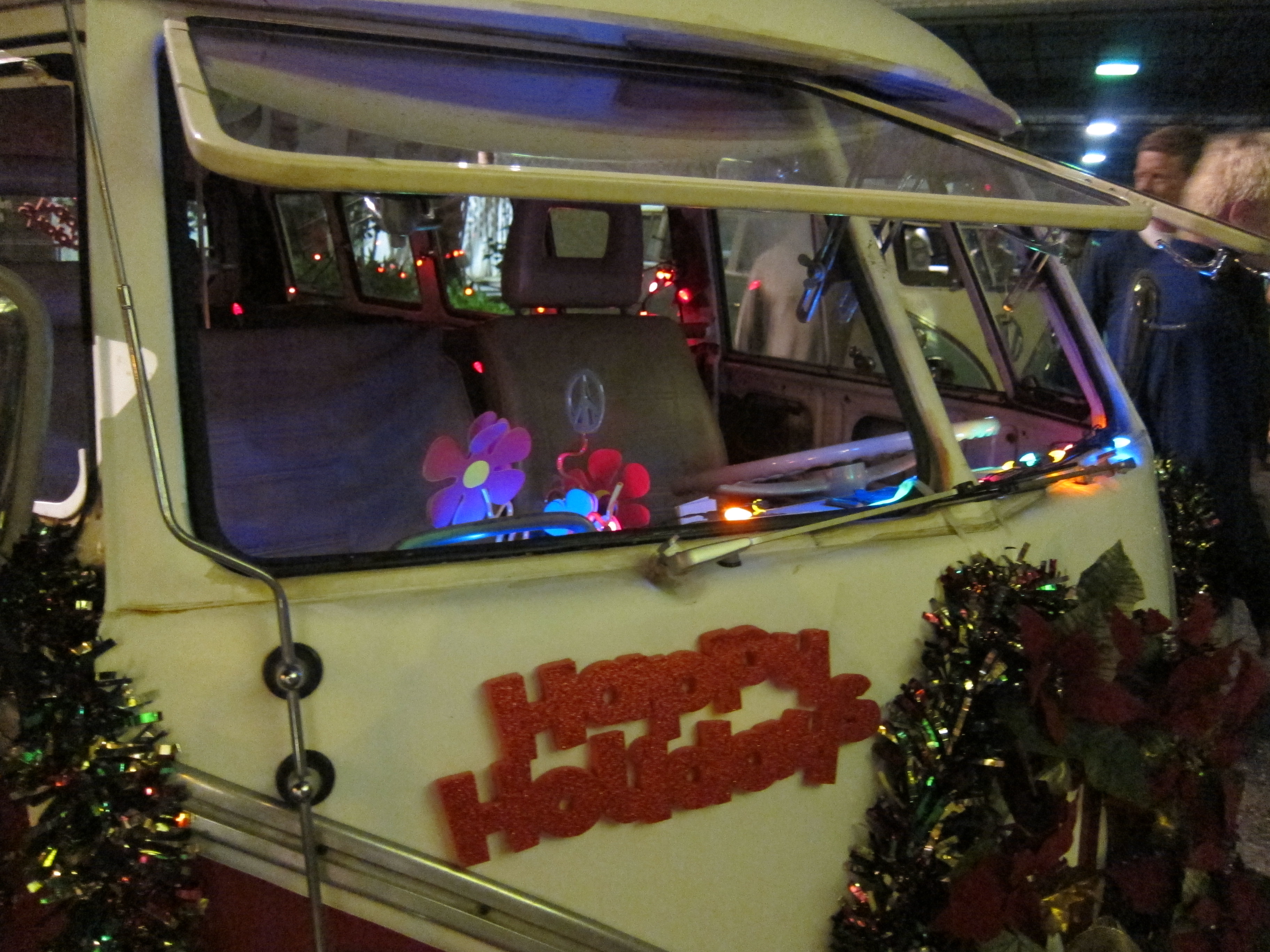
Festive VW Bus, Honolulu, December 2011

I’m not a Hippie nor do I want us to go back to our Neolithic days.  But it is good to remind ourselves that today is the actual date we should be celebrating, and perhaps not the Christmas day and New Year’s Eve which were set by convention and decree. Today is the time of the actual astronomic event that signifies renewal, as has been symbolized by the Evergreen trees (now the Christmas Tree) for thousands of years.

A Christmas Tree in Eugene. December 2011.

It is well known that centuries before Christian religion started, cultures brought evergreen trees, plants, and leaves into their homes around the time of the winter solstice. The rituals may have been different for different cultures and at different times of our evolution, but the idea was generally the same: to celebrate the return of life when days start getting longer.

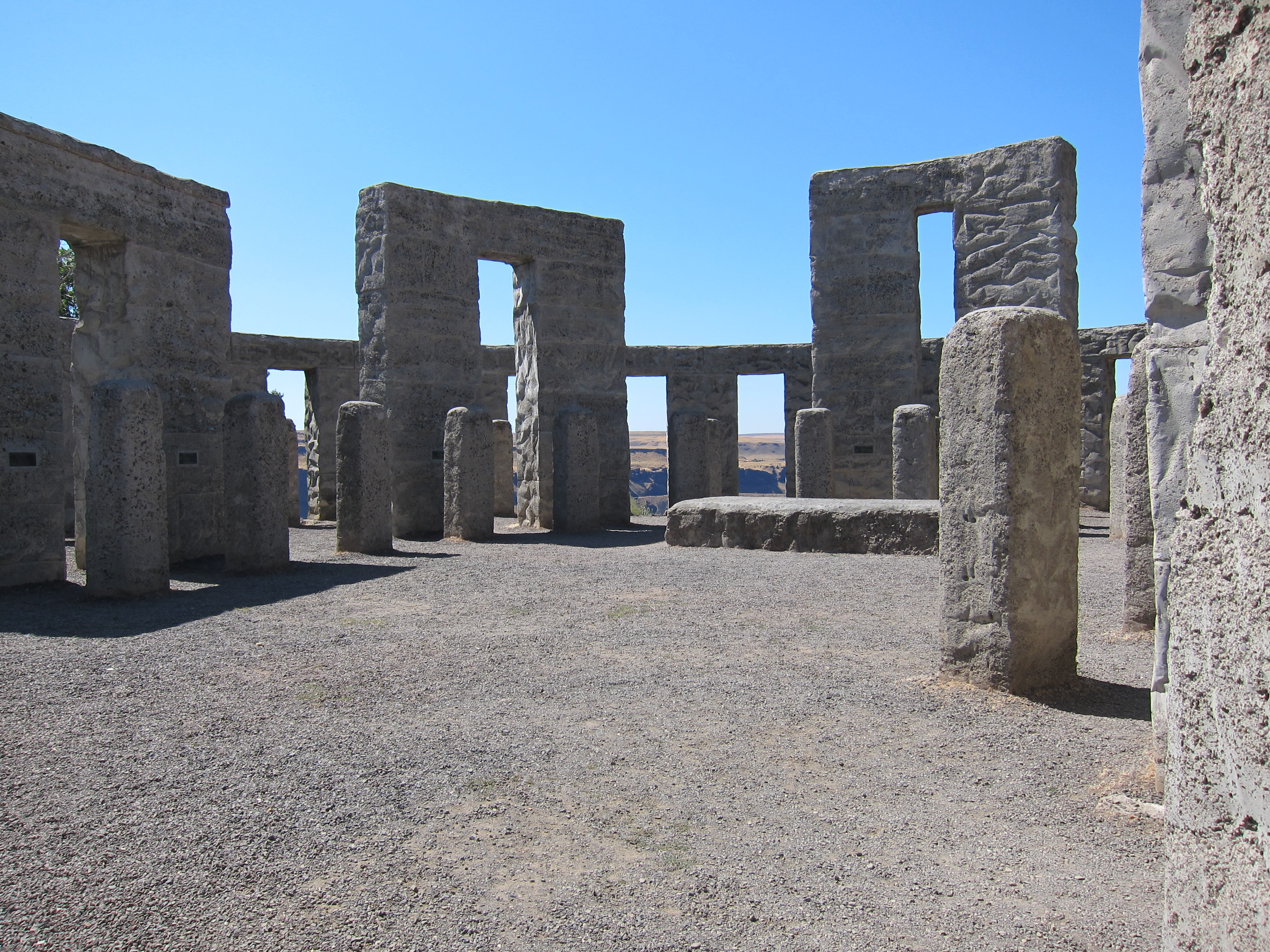
Druid priests in Great Britain used evergreen plants in pagan ceremonies. Celtic Druids and Norseman of Scandinavia also used mistletoe in rituals around the winter solstice. And we know about the Neolithic Stonehenge, designed to align with the Sun’s position during the Winter solstice.

We know the Egyptians brought green palm leaves into their homes around the time of the winter solstice. And it is well known that the Romans had the Saturnalia, a festival that lasted one week around the time of the Winter Solstice. And Saturnalia was there before Constantine and the year 313, when Constantine issued the Edict of Milan, which proclaimed religious tolerance of all religions throughout the Roman empire (that was the time Romans “became” Christian, by decree).

Stonehenge Replica, State of Washington. August 2011.

It was only around the 1500’s that the Germans begun using evergreen trees as a pagan symbol of renewal and expectations for the coming of spring which gradually evolved and merged with the celebration of Christmas of today.

It doesn’t matter how you approach this holiday. If you are a Christian or a Buddhist or an Atheist, the astronomical event is only one.  What matters is that this is a good time for us to think about renewals, and to celebrate the Sun, just like our ancestors did. It is the celebration of the return of the Sun which brings us the energy that maintains life.  No matter what your beliefs are about the origins to our existence, the Sun is our life line.

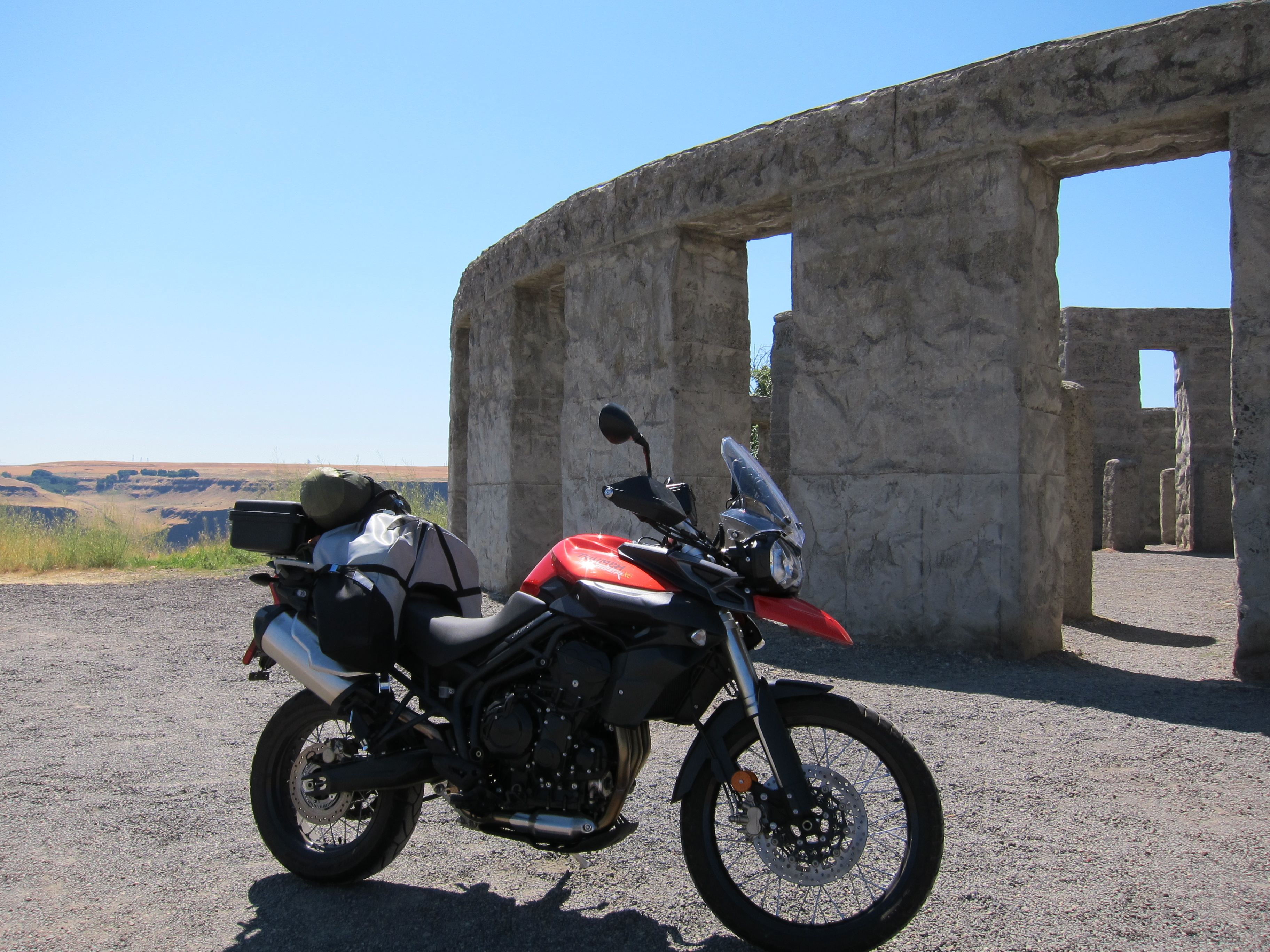
Tiger in front of Stonehenge Replica. State of Washington. August 2011.

And of course, for riders in the Northern Hemisphere this is the time we start counting the days till when we will have warmer and sunnier riding days! I wish everyone a New Year, and for the people who ride motorcycles and who live in the high latitudes of the Northern Hemisphere, I wish you a long and fun new riding season.  And that it should start as soon as possible!

Friday fireworks in Waikiki. Hawaii, December 2011

Happy New Year!

Cesar

Posted in The Book | Tagged | 3 Comments

Che Guevara and the Norton Motorcycle

You heard (read) it here first! I’m going to show you how the Norton motorcycle was not only a means of transportation for the beginning of Guevara’s journey, but that it can be rationalized as a quasi-protagonist to the story, one of the main contributing factors for the shaping of Ernesto’s view of Latin America and his subsequent political drive. To a point that one can say that it, the Norton, La Poderosa, may have strongly influenced the Guevara actions that shaped history as we know it today.

I’m almost certain you know who Che Guevara was. Or at least you’ve heard of him. His story traveled the world, his accomplishments still influence parts of the world today, for the good or for the bad, according to how you interpret his actions. He was a polarizing character, no doubt about it.  If you don’t know about his story from a live account, or from the history books, you may have known about it from the 2004 film, Motorcycle Diaries.   Che Guevara’s face is an icon. An icon of revolution or revolutionary thought. You will see the image of his face wearing the beret with the star stamped on T-shirts anywhere in the Che Guevara bobblehead doll.world. Or his face will be stamped on flags in soccer stadiums in Latin-America. Or in bobble head dolls at convenience stores.

Bored with school, this famous Argentinian, Ernesto Guevara de la Serna, left his home town in 1952 just short from graduating from medical School. He wanted to travel, go north, travel the Americas, go all the way to North America. He went on this trip on a 1947 Model 18 Norton motorcycle with his friend Alberto Granado (incidentally, Alberto died this year, 2011, at age 88 in Cuba – Ernesto was 6 years younger than Alberto).

In 1950 Ernesto had been on a similar journey.  That first time in 1950 it had been a solo journey, on a bicycle with a small Micron motor, where he rode about 2,800 miles through the northern rural provinces of Argentina.  The 1952 journey on the Norton is the one that resulted in the actions that substantially influenced Latin America history. For more detail on the Poderosa II, the 1947 Model 18 Norton belonging to Granado, and the Poderosa I, the motorized bicycle of the 1950 journey, please read Guillermo’s account on the comments section below the post.

So let’s backtrack a bit here. Let’s talk about motorcycles. Have you heard of Peter Egan of Cycle World fame? Although all of you may know about Che, I bet only a very few of you have ever heard of Mr. Egan, a motorcycle journalist.  He writes a column in the Cycle World magazine and he has been writing that column dating back to the late 70’s. More recently, in 2002, he published a book where he compiled a selection of his many writings. It is called “Leanings.”

Peter Egan’s Book: Leanings (the book).

He chose to start the book with the article he actually used as the main item on his portfolio when he was interviewed for the job at Cycle World. It became his first column, called Dateline Missoula.  It was a piece on his Norton Motorcycle from December 1977. An almost new motorcycle, a 1975 Norton 850 Interstate with about 3 thousand miles on the clock when the incident he reported occurred. In that very well written account (I recommend the book if for anything, for this very story on the Norton), he describes how his mechanic and friend discouraged him to take that motorcycle on a 4,000 mile trip he had planned from the Midwest to Seattle on that bike. I extracted this segment from Egan’s account:

“I told him: Next month Barb and I are riding the bike out to Seattle. He looked at me exactly as my mother had when I told her I’d quit college to join the army: weary, quietly, incredulous.

Take a car, he said.

What?

Take a car. Turn on the radio. Chew gum. Put one foot on the dash. You can steer with one finger and look around at the scenery. Write postcards while you drive. Read the Wall Street Journal, roll your windows up or roll them down – anything. But don’t take your motorcycle.

Why not?

Because on that bike, you can’t get there from here.”

Well, Egan did not listen to that unambiguous recommendation.  About one thousand miles into the journey and the Norton had a major mechanical failure.  Norton of those days, if not

Norton Commando 850 Interstate (photo credit: Neil Hall)

ever, had this reputation for being unreliable. A well known “feature”. Granado’s bike was not different. If yet more troublesome for it being much older and really already used and beat up by the time they left on that 2-up journey.

So this is how Peter Egan’s account intersects Che Guevara’s journey. The motorcycle. A Norton. A famously unreliable motorcycle.  I know, I know, many people have had Nortons that they claim were very reliable. I even heard (read) someone saying he disassembled his brand new Norton and reassembled it himself, the right way.  After which it was reliable, this person said.

1939 Norton, similar to the motorcycle actually used by Alberto and Ernesto. It is a beautiful bike!

Back to Che Guevara. Although Guevara was a well read person, he had read books of the important thinkers and poets of his time, no one appears to claim he left on this journey with the objective of influencing regional and continental politics of the time.  By all accounts, he had no agenda at that time.

We know his first stop on the journey was at a resort while still in Argentina where Chichina, his girlfriend, was spending the summer with her family and left with US$15 of hers with the promise of buying her a swimsuit when he arrived in Miami.  He promised he would starve but not spend those fifteen dollars. But we all know the story ended on a different note. Something happened along the way. It is assumed his close exposure with the struggling peoples of South America were key in driving him to forget Miami, bikinis, and eventually Chichina.

This is an account from National Geographic on the Guevara journey:

The trip may have begun as a lark, filled with audacious pranks. But, as the film shows, the two men encounter increasing poverty and injustice on their trek across the continent. Historians and biographers now agree that the experience had a profound impact on Guevara, who would later become one of the most famous guerrilla leaders ever.

“His political and social awakening has very much to do with this face-to-face contact with poverty, exploitation, illness, and suffering,” said Carlos M. Vilas, a history professor at the Universidad Nacional de Lanús in Buenos Aires, Argentina.

Well, if that is a plausible conjecture, and many agree with it, then the Norton played a very important role on this process. When on a long trip, the speed of a journey determines the scale by which you get to know the peoples who live alongside the path you traveled. When I was coming back from my trip to San Francisco a few months ago, for example, I stopped in Westport, California. Have you heard of this small town on Hwy 1 by the Pacific? I interacted with three long time residents of that little town, which was something gave me an insight on their lives, struggles, and also the beauty of the place in a way I would not have imagined had I just passed through. I’ve passed by

Che and La Poderosa

many places at speed on many road trips and do not know one thing about their people or their history. Every town, village, location has their own history and their own perception of the world history discussed in the mainstream media and history books.  If you ever have been on a trip and your car broke down, and you had to wait for a couple of days for parts to arrive and the car to get fixed, you know what I’m talking about. It is as if you start wearing a magnifying glass and you will see the detail of the residents’ lives and history.  There is always something interesting to learn.  When you travel abroad this sense is heightened making the experience a much more intense one.

It so happened that the Norton broke down many times in Che Guevara’s trip. At some point, early on the trip, still in Chile, they had to get rid of the motorcycle.  They started on foot and hitch hiking. They were now experiencing first hand what are other people’s struggles. They were traveling at a very slow pace.  They were traveling on the same terms as the locals did. In fact, they had become one of the locals. Especially important is the time they spent with a group of miners in Chile. Miners were known for their plight, and their political stance and political engagement in South America.  Still are today. For Ernesto and Alberto, it was a face-to-face contact with poverty, illness and most important, exploitation, as pointed by the quote from Prof. Carlos M Vilas described in the National Geographic text.

The Norton of the film.

If they were riding a BMW… Let me rephrase that, if they were riding a Honda (if Honda motorcycles existed at that time, of course), they would have cruised towards Miami. They would not have spent that much time stopped, and not have experienced so much face-to-face time with the struggles of the people along the way.  I would not dare to say he would be a retired Doctor in some sunny and warm beach in Florida today. But if their Norton motorcycle had not failed, we would certainly have known a different Che than the one described in the history books today.

This is not about discrediting Guevara’s capacity to react to perceived social unfairness and what he accomplished with what he learned. It is about the level of exposure Norton afforded him which put his thoughts in gear and eventually triggered his actions. Blame it on Norton motorcycles or thank Norton motorcycles for it, depending on which side of the “revolution” you stand.

A word of caution: I don’t recommend you take my writing about this too seriously.  Imagine this simple idea was concocted at a bar table, after a couple of beers (which is exactly how it came to be), so take this in consideration when you read it. But don’t discard the possibility that it may had been the case that the Norton, La Poderosa, had a larger role in shaping history than what history books tell us.

Thanks for reading.

Cesar

Posted in Film Reviews | Tagged , , , , , | 18 Comments

“On Any Sunday:” Time to see it again!

If you like motorcycles and you haven’t seen the film “On Any Sunday,” or you haven’t seen it in a while, now would be a good time to see it again.  I picked up the January 2012 issue of Cycle World, the one with the beautiful Panigale on the cover (yes, you can’t miss it on the magazine stand), and they are featuring a reunion of the cast of characters involved in the filming of “On Any Sunday” minus the missed Steve McQueen, of course.

January 2012 Cycle World cover

Cycle World got together Bruce Brown, who made the film, and the two riders Malcolm Smith and Mert Lawwill for a reunion 40 years after the movie was made.  Including Husqvarna motorcycles from the time of the film as well as new ones.

It is worth reading the article.  For one thing it is great to see photographs of Malcolm Smith and Mert Lawwill still roosting when they are 70-something! But for another, the article brings several insights about how the film’s idea emerged, behind the scenes accounts, and several other stories related to the film, including stories related to the celebrated Steve McQueen.  It is a good way to celebrate the sport and to pay tribute to those who greatly helped popularize the sport.

Cesar
Posted in Film Reviews | Tagged , , , | Leave a comment

Mapleton for a Bowl of Soup

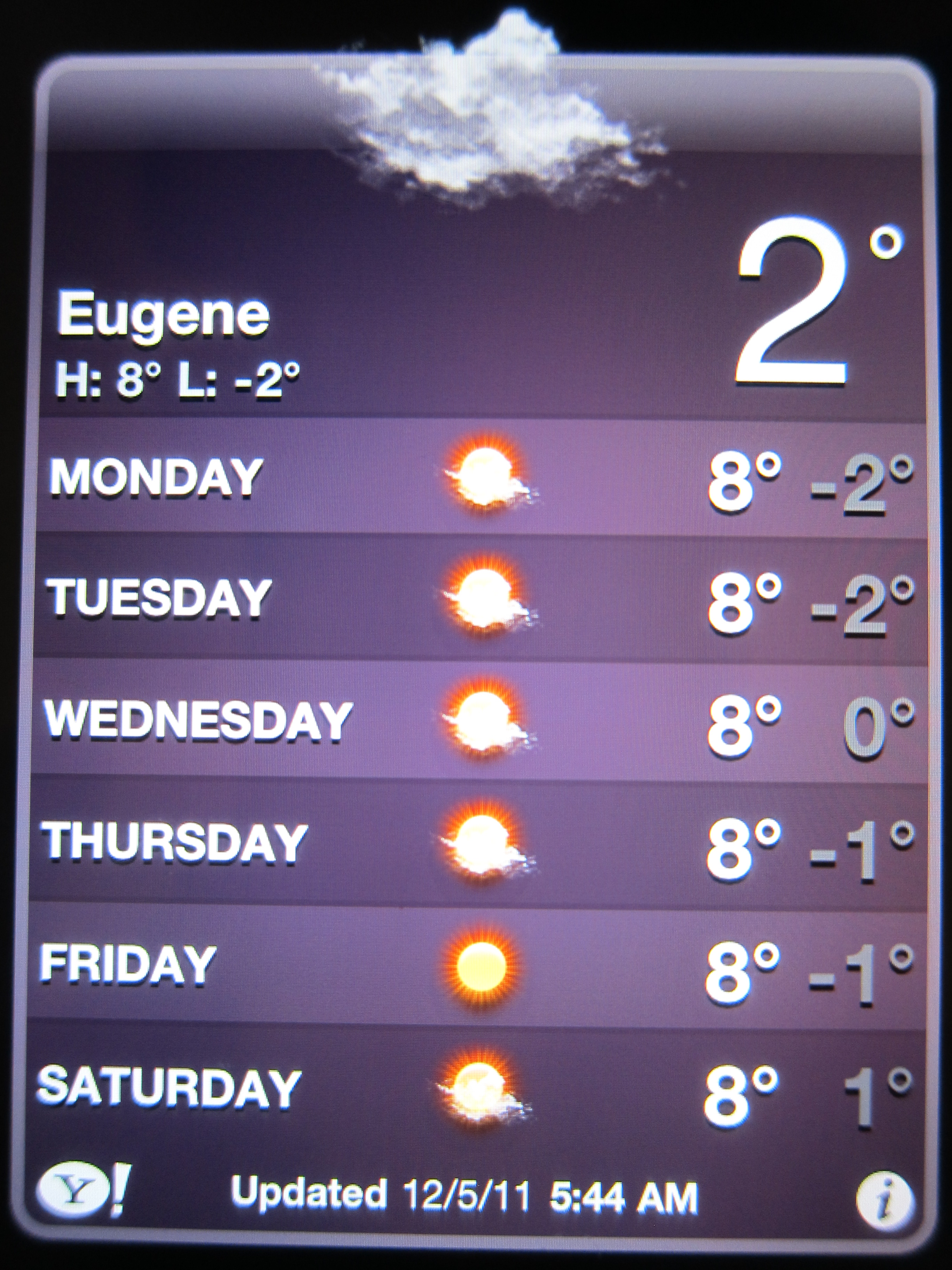
It has been cold around here, but it has been unusually dry as well. Ken suggested we rode to the coast.  Emails started circulating, the number of guys interested in going for a ride

Cold, but dry. Temperature depicted in Celsius, BTW.

rose to about six. Some ten phone calls later and the group was divided into two.  Ken changed his mind about going to the coast.  He and the others would do the most sensible thing and ride in the valley to avoid possible frost on the passes on the coastal range. I was interested in getting to the coast. Doug was interested in riding towards the coast as well. So Doug and I ventured out of the Willamette valley towards the coast.

There are still some leaves to be raked in the near future...
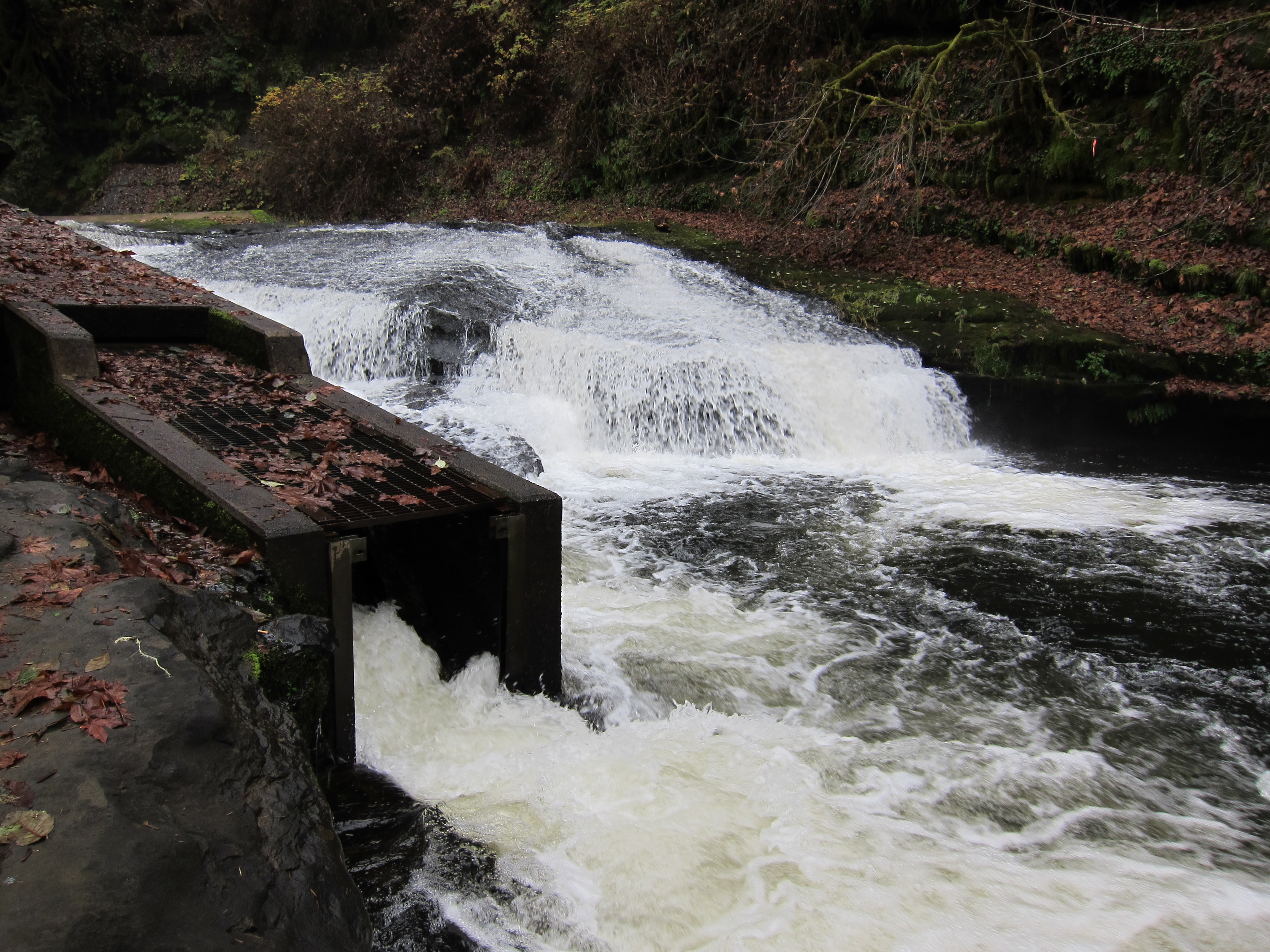
I met Doug at his house and from there we found our way to Territorial Hwy towards 36 and from there we went west towards the coast.  There was no ice on the high areas, but the roads were wet at several points. We made it to Lake Creek, just west of Triangle Lake to check the Salmon ladder.
Parked at Lake Creek, OR. December 4th, 2011

Chinook salmon were hanging out, some were trying to jump. But showing the pictures to a friend of mine who knows about fish, he believes they had already spawned and are just hanging out.

Chinook Salmon, Lake Creek, OR. December 4th, 2011

If not spawned yet, they climb the man made ladder or climb the natural cascades.

The man made ladder to the left. Lake Creek, OR. December 4th, 2011

Once they climb up to their spawning point, where they were born, they spawn and soon after they die. We saw a few of them trying to jump. And we saw a few of them farther up the river.  Here is a short video so you can have a feel about the water intensity. It highlights this incredible feat of nature that the salmon accomplish.

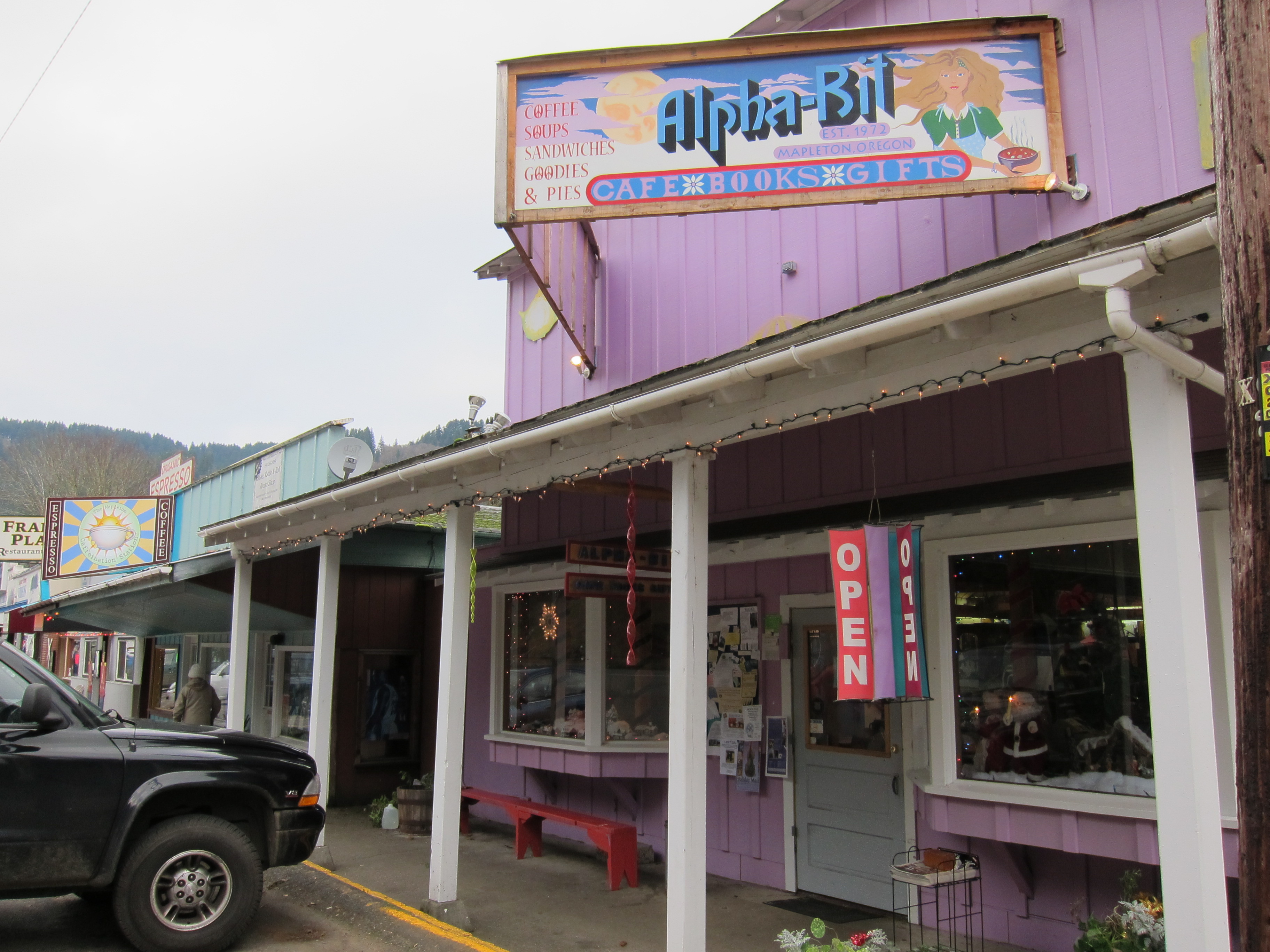
The days are short this time of the year. It gets dark at 4:30 pm, therefore instead of going all the way to the coast, we stopped in Mapleton for a bowl of soup.

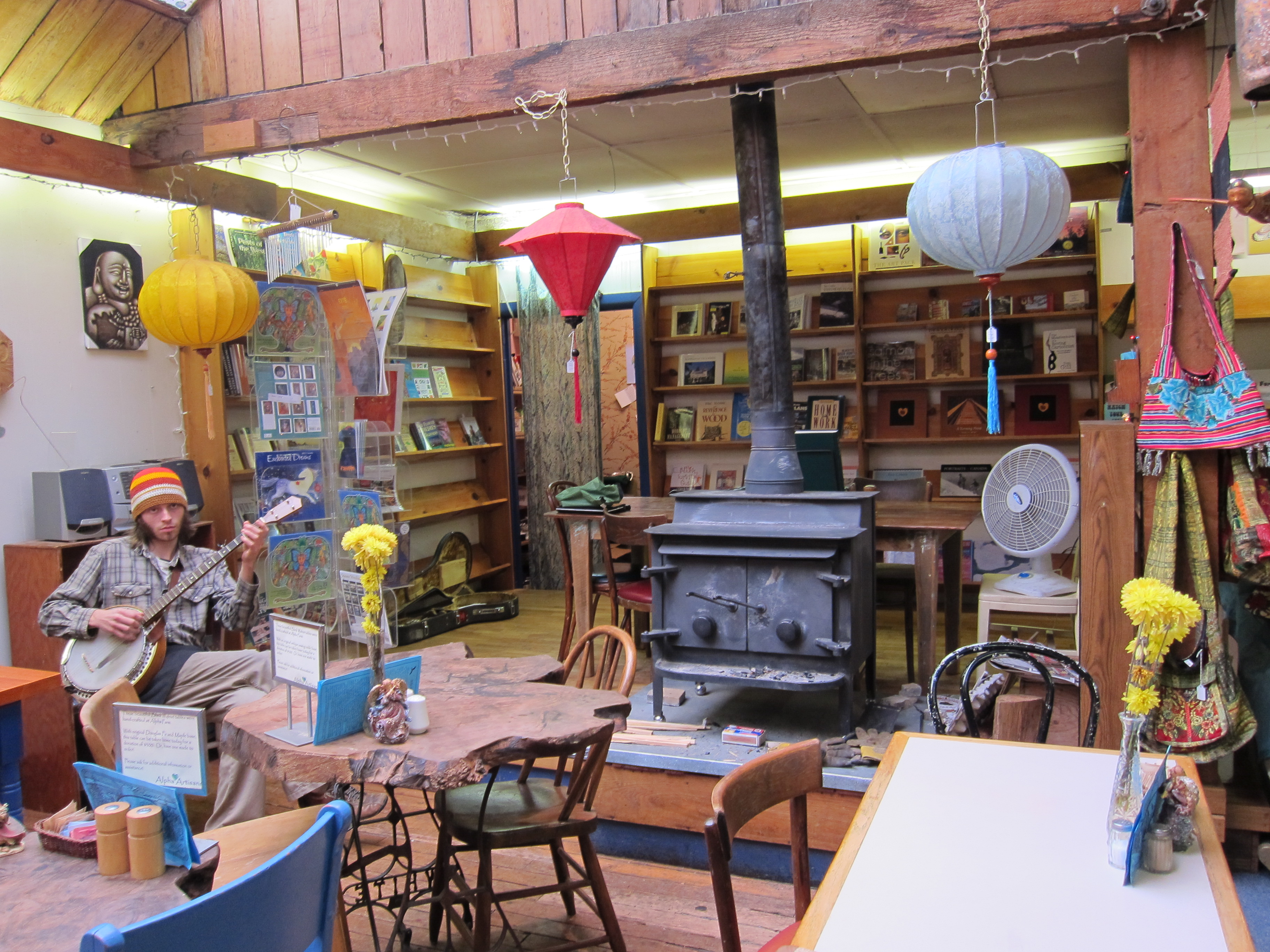
The Alpha Bit in Mapleton, OR. December 4th, 2011

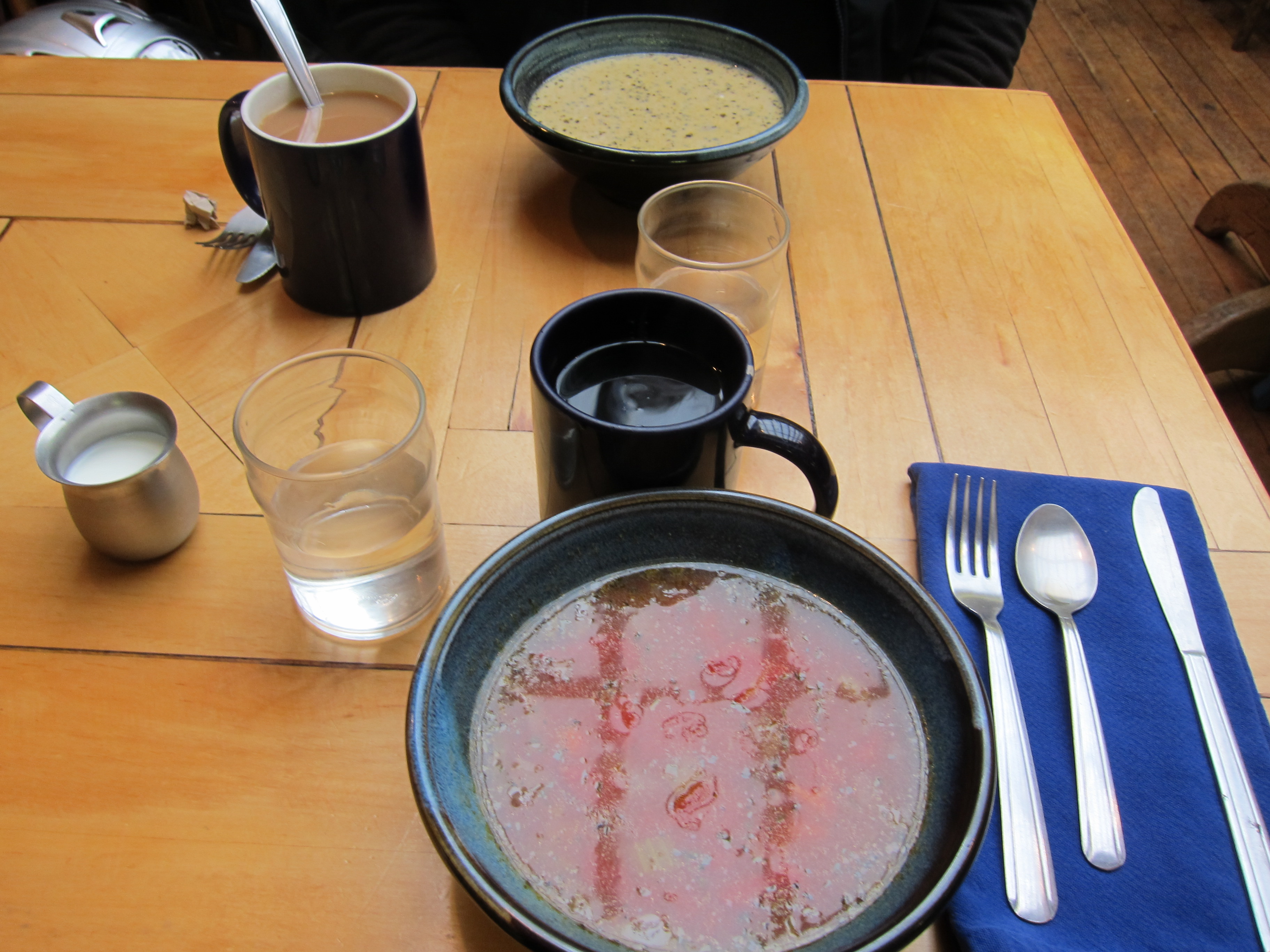
Riding at such low temperatures and without a grip warmer, my fingers were getting really cold. A warm soup was a welcome treat.

Tomato Soup. Alpha Bit in Mapleton, OR. December 4th, 2011

We got live music as well.

The Alpha Bit in Mapleton, OR. December 4th, 2011

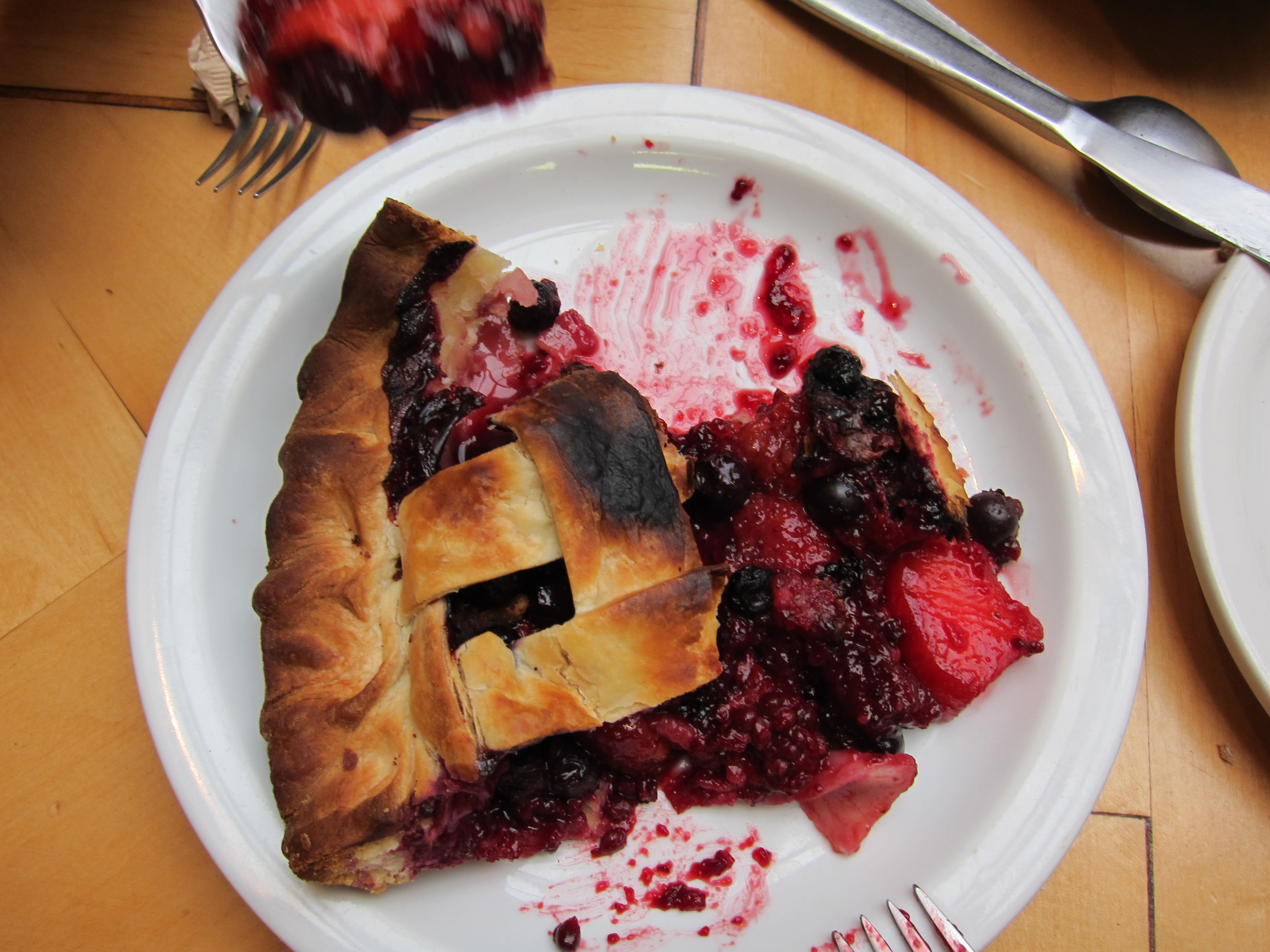
And dessert!

Strawberries, Blueberries, Raspberries, Peaches...

Back on the bikes we decided to turn around and head back towards Eugene via 126 and then Whitaker Creek Rd. We got on Hwy 126 and were riding at about 60 mph or slightly above it, speed limit is 55.  One has to be careful in such a main road for the Highway Troopers are all around and in need of income.  We crossed two of them coming from the other direction. I’m following Doug and all of a sudden in one of my regular mirror checks I noticed a Dodge truck approaching really fast. Less than a minute since the truck was behind us and one of those Highway Troopers was behind him and stopped him.  Close call for us. We got out of the 126, took Whitaker Creek Rd. towards Wolf Creek Rd. Here is a video of what it looks like to be riding one-lane roads such as Whitaker Creek rd. I had to keep my visor up as this helmet was fogging up. I’m thinking about going back to my red helmet. Don’t remember it fogging up this much.

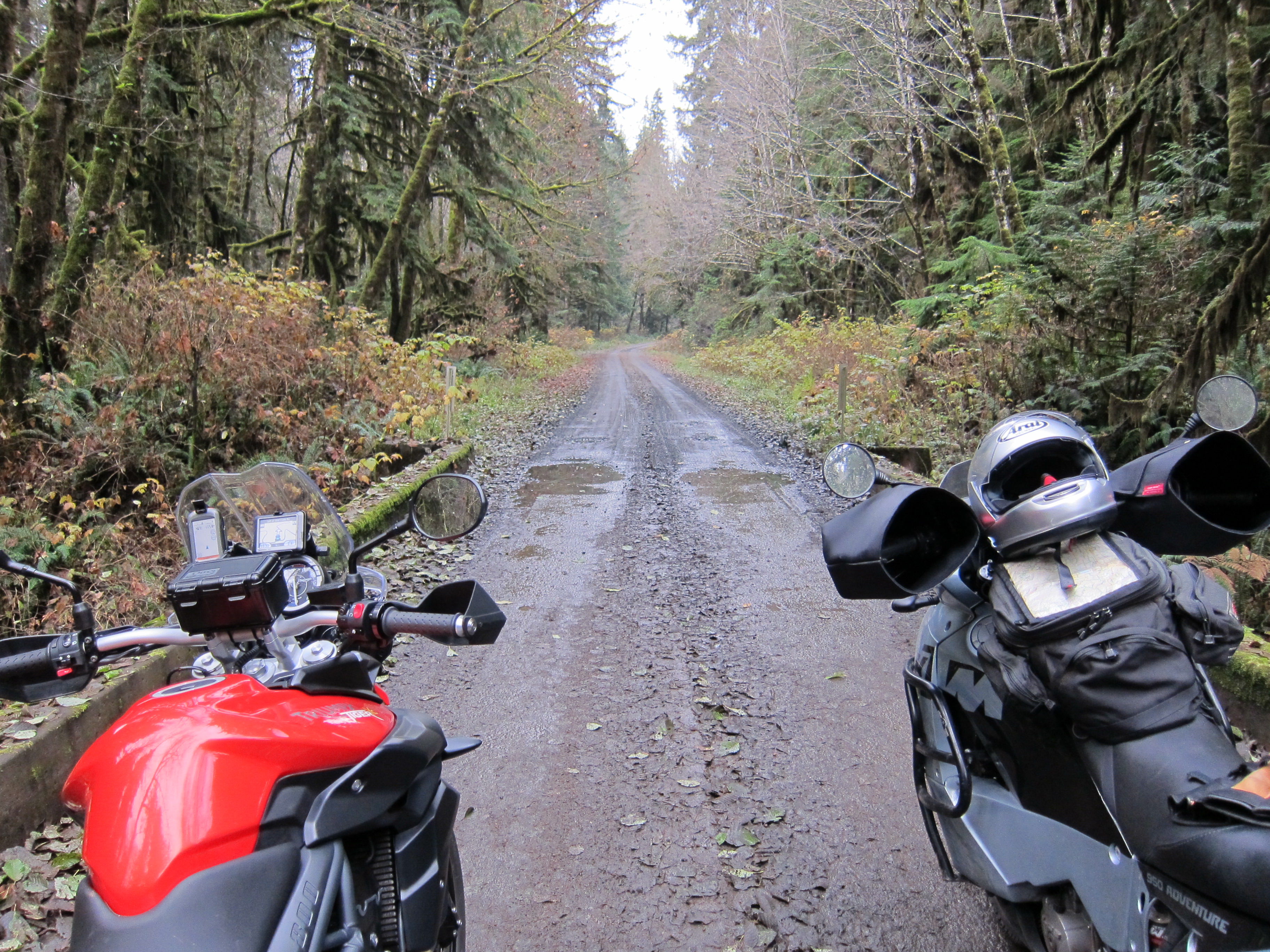
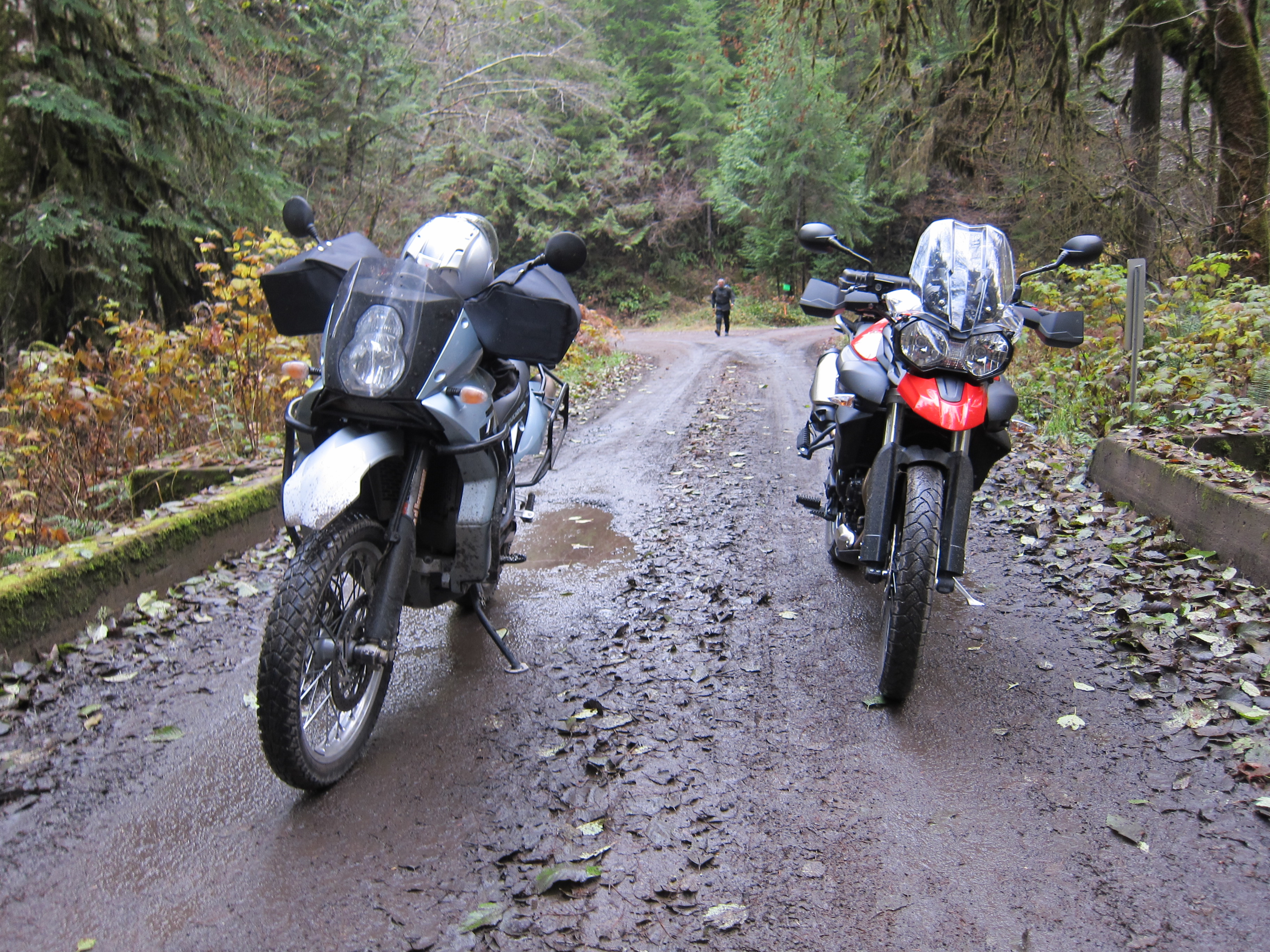
And from there we got on Wolf Creek Rd. This is a gravel and dirt road.  It was very wet in some areas.

Wolf Creek Rd. December 4th, 2011

And it is not like either of us had the most appropriate tires for the job.

No knobbies. Wolf Creek Rd, OR. December 4th, 2011

But the bikes handled it well.  Check this video of the action of the ride on Wolf Creek rd.

After some 20 miles of that kind of action we made it to other side where the road hits pavement.

Wolf Creek Rd. December 4th, 2011

And soon after I was home. It was dark already and I was glad to get inside my warm house.

Back home. December 4th, 2011

Total for the day, 158 miles, about 252 Km.  Again, not bad for this time of the year.

158 miles, 252 Km. December 4th, 2011

This has been a great winter season so far. I’ve been able to ride on the last four weekends or so. Yesterday I took the BMW for a short spin, to keep its juices flowing and its battery charged.  Over here you don’t quite need to put your bikes away for the winter.  If you are not too picky about cold or rain, you can ride year around.  In Ohio, colder winter makes you shut down such operations.  Plus they add salt to the roads to melt the ice.  Anyway, I’m glad I’ve been riding as much as I have so far.

Thank you for reading.

Posted in Riding the Triumph | Tagged , , , , | Leave a comment